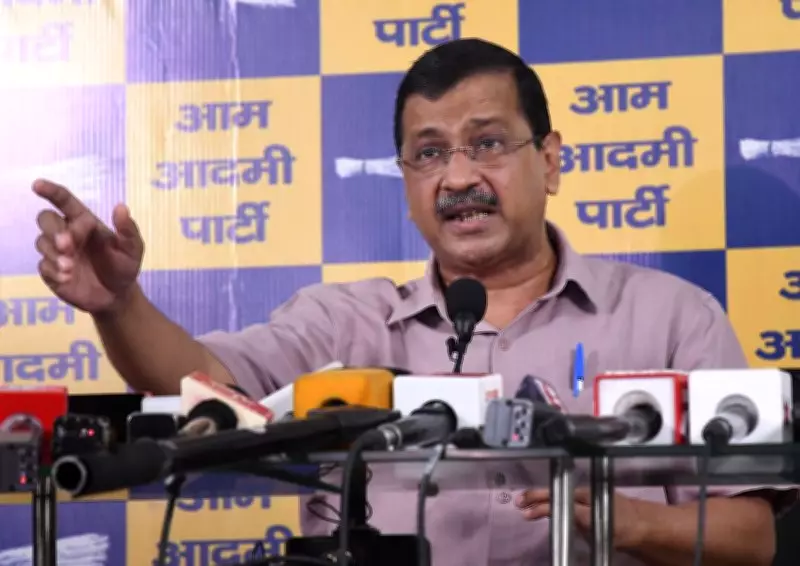
Arvind Kejriwal, the national convenor of the Aam Aadmi Party (AAP), has written to Tata Motors and Toyota Kirloskar Motor requesting a written clarification on whether their pre-2023 vehicles can safely operate on E20 petrol, which contains 20% ethanol. The letters, sent on Wednesday, follow a government press conference held on July 4 where automobile manufacturers reportedly assured that E20 fuel is safe for older vehicles with only a minor reduction in fuel efficiency.
Contradiction with Owner's Manuals
Kejriwal pointed out that the public assurances given during the press conference appear to contradict the owner's manuals issued with pre-2023 vehicles. These manuals recommend the use of petrol containing up to 10% ethanol (E10). He argued that consumers deserve clarity on which position they should trust, as the conflicting information could lead to confusion and potential vehicle damage.
In his letters addressed to Toyota Vice President Vikram Gulati and the management of Tata Motors, Kejriwal highlighted that crores of Indians use vehicles manufactured by these companies. He emphasized that a clear and unambiguous position on the safety, mileage implications, and liability associated with E20 fuel in older vehicles is essential for consumer protection.

Specific Questions Raised
Kejriwal urged the companies to issue a public written statement within a week addressing several key points. First, he asked for confirmation on whether E20 is safe for use in pre-2023 vehicles. Second, he sought clarity on whether using E20 could cause damage to the engine or other components. Third, he requested details on the extent of any expected reduction in fuel efficiency.
Additionally, Kejriwal asked for specific assurances on consumer compensation. He questioned whether the companies would compensate owners if the use of E20 in pre-2023, non-E20-compliant vehicles results in a mileage reduction exceeding 10% or causes damage requiring repair or replacement of vehicle components.
Background of the Debate
The debate over E20 fuel compatibility has been ongoing as India pushes for higher ethanol blending to reduce emissions and dependence on fossil fuels. The government has mandated the rollout of E20 petrol, but concerns remain about its impact on older vehicles not designed for higher ethanol content. Ethanol can be corrosive to certain engine materials and may affect fuel systems, leading to potential performance issues.
During the July 4 press conference, representatives from several automobile manufacturers reportedly stated that E20 could be safely used in pre-2023 vehicles with only a marginal reduction in fuel efficiency. However, Kejriwal's letters challenge this assertion, citing the official recommendations in owner's manuals that limit ethanol content to 10%.
Consumer Rights and Safety
Kejriwal stressed that consumers have the right to accurate information about the fuels they use in their vehicles. He argued that the conflicting messages from manufacturers and the government could undermine trust and lead to financial losses for vehicle owners. By seeking written clarification, he aims to hold companies accountable and ensure that consumers are not misled.
The AAP leader also called for a broader discussion on the implications of E20 fuel for the millions of vehicles on Indian roads. He suggested that without proper safeguards, the transition to higher ethanol blends could result in widespread engine damage and increased maintenance costs for consumers.
Next Steps
Kejriwal has given the companies one week to respond with a public written statement. If they fail to provide satisfactory answers, he indicated that further action may be taken, possibly including raising the issue in public forums or approaching regulatory authorities. The outcome of this request could set a precedent for how fuel compatibility issues are addressed in India.