Delhi High Court Allows Kejriwal to Withdraw Petition Against ED Summons
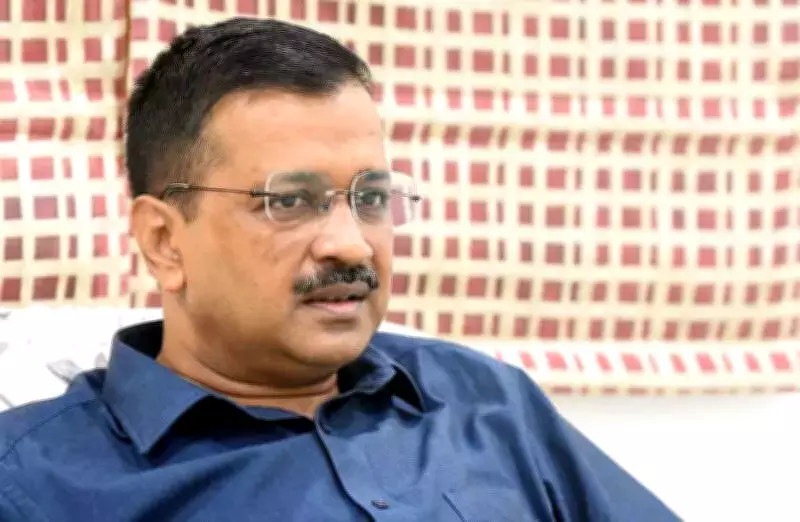
In a significant legal development, the Delhi High Court on Thursday granted permission to former Chief Minister Arvind Kejriwal to withdraw his petition challenging the summons issued by the Enforcement Directorate (ED). This move is connected to the agency's ongoing probe into an alleged money laundering case linked to the now-scrapped excise policy.
Legal Proceedings and Acquittal Details
A senior counsel representing Kejriwal, who serves as the national convener of the Aam Aadmi Party (AAP), informed the court that he no longer wished to pursue the matter. This decision came after Kejriwal was acquitted in cases filed against him for failing to appear before the ED in response to the summonses.
On January 22, a trial court had acquitted Kejriwal in two separate cases related to his non-appearance. The court noted that as a serving Chief Minister at the time, Kejriwal enjoyed fundamental rights, including the right to movement. It ruled that the legal challenge to the service of summons was maintainable and found that the ED failed to prove intentional disobedience on his part.

ED's Response and Future Actions
In response to the withdrawal, the ED stated that it plans to challenge the acquittal order. The agency intends to press for Kejriwal's prosecution in cases alleging non-compliance with its summons. This indicates that the legal battle may continue, with the ED seeking to hold Kejriwal accountable for what it perceives as violations of procedural requirements.
Broader Context of the Money Laundering Case
Currently, Kejriwal is on interim bail in the alleged money laundering case. The Supreme Court has referred key questions regarding the "need and necessity of arrest" under the Prevention of Money Laundering Act (PMLA) to a larger bench for in-depth consideration. This referral highlights ongoing debates about the interpretation and application of PMLA provisions in high-profile cases.
The ED has alleged that other accused individuals in the case were in contact with Kejriwal during the formulation of the excise policy. According to the agency, this policy provided undue benefits to certain parties and resulted in kickbacks to the AAP, though these claims are part of the ongoing investigation and have not been proven in court.
Constitutional Challenges Raised by Kejriwal
In his original plea, Kejriwal also challenged the constitutional validity of specific provisions of the PMLA related to arrest, questioning, and bail. He raised several critical issues, including whether a political party falls under the purview of the PMLA. These challenges touch on broader legal principles and could have implications for future cases involving political figures and anti-money laundering laws.
The withdrawal of the petition does not resolve these constitutional questions, but it marks a tactical shift in Kejriwal's legal strategy as he navigates the complexities of the case.