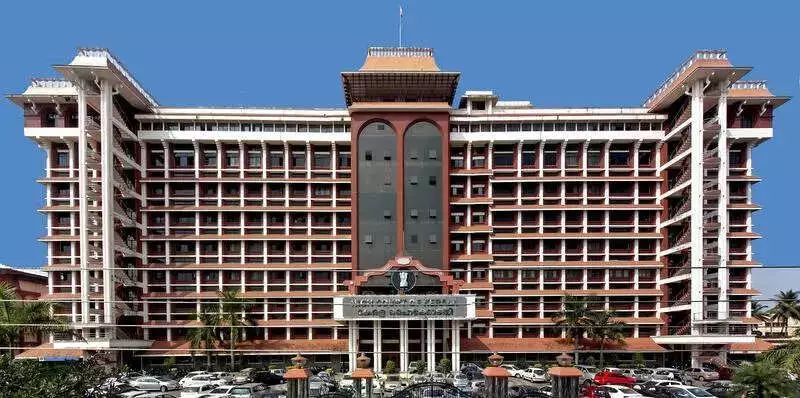
The Kerala High Court on Friday delivered a sharp rebuke to the Special Investigation Team (SIT) probing the alleged gold theft at the Sabarimala temple, citing serious stagnation and laxity in the ongoing investigation. A bench led by Justice A Badharudeen made these critical observations while dismissing the bail petitions of three key accused in the high-profile case.
Bail Pleas Dismissed Amidst Investigation Flaws
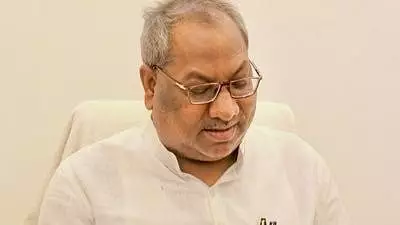
The court rejected the bail applications of former Travancore Devaswom Board (TDB) president N Vasu, deputy devaswom commissioner Murari Babu, and former thiruvabharanam commissioner K S Baiju. The bench firmly stated that releasing the petitioners on regular bail at this crucial stage would impede the investigation and harm the interests of the holy deity and its lakhs of devotees.
Court Questions Failure to Arrest Key Accused
Expressing serious concern, the High Court highlighted the investigative team's failure to arrest other TDB members who were in office during the alleged theft period. The bench specifically named Vijaya Kumar and K P Sankar Das, who are arrayed as accused but remain free. The court noted it was surprising that despite their accused status, no arrest had been made.

The order also scrutinized a notice dated July 5, 2019, which decided that the copper-clad dwarapalaka idols and the north and south corners of the sreekovil were to be entrusted to the first accused, Unnikrishnan Potti. This notice was signed by board members present at the meeting and the then board secretary, S Jayasree. The HC raised doubts about whether all signing members had been made accused and whether other officials named in the FIR—K Sunil Kumar, R G Radhakrishnan, V S Rajendra Prasad, and K Raghavan Nair—had been arrested.
Directives for a Defect-Free Probe
The bench pointed out another order permitting Potti to take doorframes and other items for gold cladding, misleadingly described as copper-plated. This order was signed by the then TDB president A Padmakumar, board members Vijaya Kumar and Sankar Das, and secretary Jayasree. The court held that the failure to act against these individuals demonstrated a grave stagnation in the probe.
The High Court directed the investigating officer to address these lapses and proceed against all erring officials without discrimination. It reminded the authorities that flaws and wilful lapses in investigating serious cases like corruption must be avoided to ensure an effective prosecution. The court emphasized that the investigation must be vigilant to prevent the escape of culprits, including influential persons, to uphold constitutional intent and safeguard society.
A History of Unheeded Directives
The court noted with anxiety and displeasure that despite its earlier directive—issued while dismissing the pre-arrest bail pleas of Sreekumar and Jayasree—to identify and book all involved, no such comprehensive investigation was discernible from the records. The current situation, the bench remarked, showed a worrying lack of progress.
This strong judicial intervention underscores the growing scrutiny over the investigation into the alleged theft at one of Kerala's most prominent pilgrimage sites, demanding accountability and swift action from the probing agency.