Kerala High Court Dismisses Petition Challenging IHRD Director Appointment
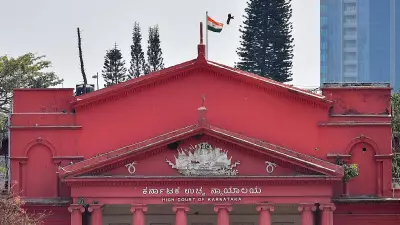
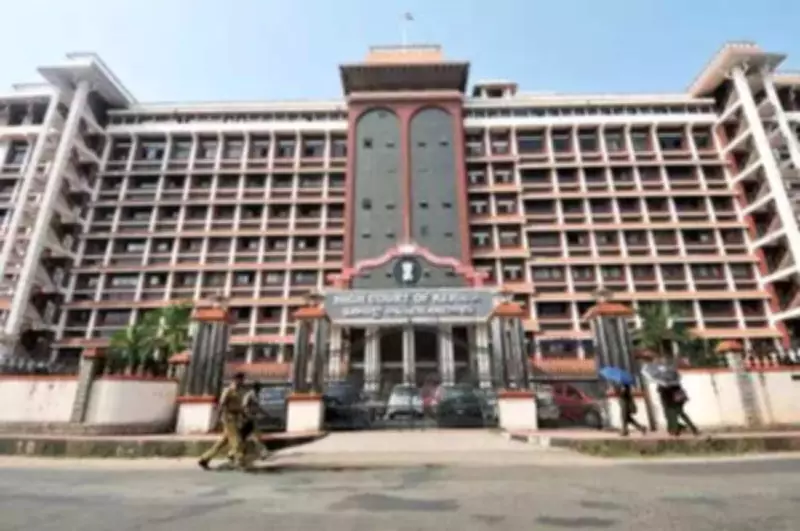
The Kerala High Court has dismissed a petition that challenged the appointment of V A Arun Kumar, son of the late former chief minister V S Achuthanandan, as the director-in-charge of the Institute of Human Resources Development (IHRD). The bench of Justice N Nagaresh delivered the ruling, rejecting allegations of political influence in the appointment process.
Background of the Legal Challenge
The petition was filed by Vinu Thomas, who serves as the dean (academic) and controller of examinations (in charge) at APJ Abdul Kalam Technological University. Thomas alleged that Arun Kumar's appointment was unduly influenced by his political connections, raising concerns about fairness and transparency in the recruitment process.
Both Thomas and Arun Kumar had applied for the post of IHRD director following a government notification issued on March 4, 2024. However, the selection process concluded without any formal appointment, as none of the candidates managed to secure the minimum qualifying marks of 60% set by the selection committee.

Key Allegations and Court's Observations
The petitioner contended that despite no candidate being selected, Arun Kumar was awarded five marks for teaching experience and an additional ten marks for research experience, even though he allegedly lacked such qualifications. Thomas further argued that the original notification did not prescribe any minimum qualifying marks, thereby questioning the selection committee's authority to impose a cut-off score.
In its detailed judgment, the High Court firmly rejected these arguments. The bench observed that the institution or the selection committee possesses the inherent freedom to establish minimum standards for recruitment to such a crucial position within IHRD. Consequently, the prescribed cut-off mark of 60% could not be deemed illegal or arbitrary, as it falls within the committee's discretionary powers to ensure quality appointments.
Additional Challenges and Court's Ruling
The petitioner also challenged Arun Kumar's earlier appointment as assistant director of IHRD, arguing that he was not holding a substantive post in the institution at the time, which eventually facilitated his elevation to director-in-charge. However, the High Court noted that Arun Kumar had been appointed as assistant director as far back as 1997, and such an appointment could not be contested after such a prolonged lapse of time.
Moreover, the court clarified that the present petition specifically pertained to the appointment to the post of director, and not the assistant director role. Therefore, revisiting the assistant director appointment was deemed irrelevant to the current case. Based on these comprehensive considerations, the High Court dismissed the petition in its entirety, upholding the legitimacy of the appointment process.
This ruling underscores the judiciary's stance on upholding institutional autonomy in recruitment matters while addressing allegations of nepotism and political influence in public appointments.