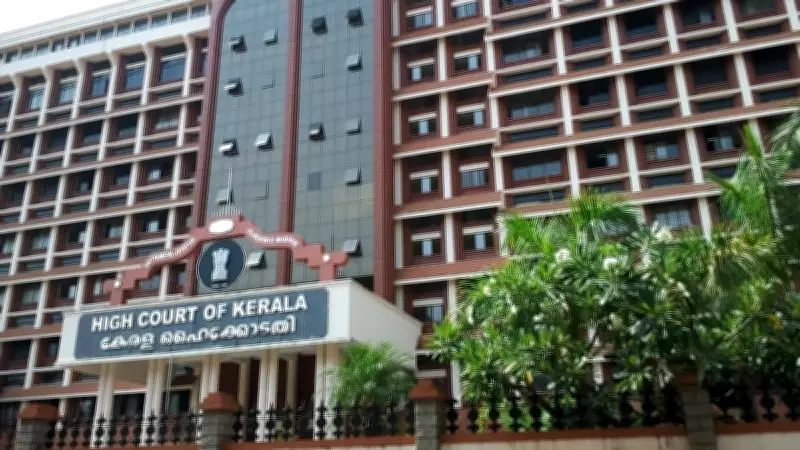
The Kerala High Court has granted bail to a YouTube journalist who was embroiled in a legal case over a video that was critical of Chief Minister Pinarayi Vijayan. Justice Kauser Edappagath provided the relief to T P Nandakumar, the journalist in question, following his plea which argued that the video in dispute did not contain any sexually explicit content.
Court's Decision and Legal Arguments
In a significant ruling, the Kerala High Court examined the details of the case closely. The journalist, T P Nandakumar, had been facing charges under the Information Technology (IT) Act related to the video. His legal team contended that the video was merely critical in nature and did not include any material that could be classified as sexually explicit, which is a key element for invoking certain offences under the IT Act.
Background of the Case
The case originated from a video posted on YouTube by Nandakumar, which allegedly targeted Chief Minister Pinarayi Vijayan. Authorities had taken action against the journalist, leading to his arrest and subsequent legal proceedings. The video sparked controversy, with debates over freedom of expression versus legal boundaries in digital content.
During the bail hearing, Justice Edappagath considered the arguments presented by both sides. The court noted that the absence of sexually explicit content in the video weakened the prosecution's case under the specific provisions of the IT Act. This observation played a crucial role in the decision to grant bail, emphasizing the importance of factual accuracy in legal charges.
Implications for Digital Journalism
This ruling has broader implications for digital journalism and content creation in India. It highlights the delicate balance between holding individuals accountable for online content and protecting freedom of speech. The Kerala High Court's decision may set a precedent for similar cases, where the nature of the content is scrutinized against legal standards.
Experts suggest that this case underscores the need for clear guidelines under the IT Act to prevent misuse while ensuring that legitimate criticism is not stifled. The bail grant to Nandakumar is seen as a relief for many in the media industry, who often navigate complex legal landscapes when publishing content online.
As the case continues to unfold, further hearings are expected to delve deeper into the merits of the charges. For now, T P Nandakumar has been released on bail, pending the outcome of the trial, marking a pivotal moment in this high-profile legal battle.