

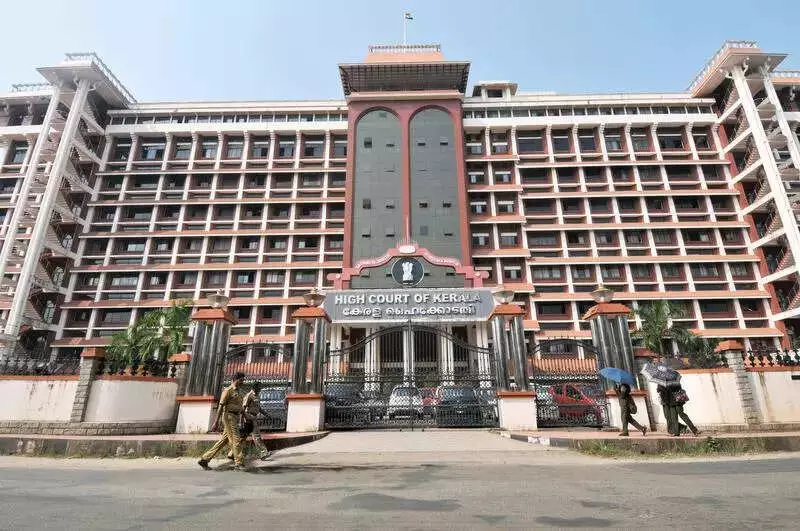
In a significant development, the Kerala High Court has granted bail to two Tanzanian nationals, including the son of a Tanzanian High Court judge, who were arrested in connection with a narcotics case. The individuals, David Ntemi Kilekamajenga and Atka Haruna Myonga, had spent the last 270 days in judicial custody.
Court's Rationale for Granting Bail
Justice Bechu Kurian Thomas allowed the bail petition filed by Kilekamajenga and Myonga, who were listed as the 9th and 11th accused in the case. The court's decision was influenced by the prolonged period of detention and a critical examination of the evidence presented by the prosecution.
The judge noted that the final report filed by the investigating agency contained only one material piece of evidence connecting the petitioners to the alleged crime. This was a financial transaction of Rs 42,500 between co-accused P N Abhinav and David Kilekamajenga. The court observed that the report did not disclose any other substantive evidence linking the two students to the narcotics offence or to the other accused individuals.

Background of the NDPS Case
The case originated on January 21 with the arrest of two individuals, Ibrahim Musamil from Kasaragod and P N Abhinav from Kozhikode. The Kunnamangalam police in Kozhikode apprehended them from a lodge room in Karanthur, where they were found in possession of 221.89 grams of MDMA.
Subsequently, the investigation led the police to implicate Kilekamajenga and Myonga. Both were students at the Lovely Professional University in Punjab. The allegations against them stated that they had financed the procurement of the illegal contraband. Acting on this, the police arrested the duo from Phagwara on March 13.
An earlier bail plea filed by the petitioners was dismissed in June. At that time, the prosecution had alleged that Atka Haruna Myonga's bank account had received more than Rs 50 lakh from one of the suspects in the case.
Legal Observations and Bail Conditions
The High Court made another crucial observation regarding the arrest procedure. It noted that there was no material to indicate that the petitioners were informed of the grounds for their arrest at the time they were taken into custody in Phagwara.
Considering the totality of circumstances, the court ordered their release on bail under strict conditions. Each petitioner must execute a bond of Rs 1 lakh with two solvent sureties of the same amount.
The court has imposed significant restrictions to ensure their presence during the trial. They are prohibited from leaving India and must report to the Station House Officer (SHO) of the Satnampura police station in Phagwara on the fourth Saturday of every month until the trial concludes.
This ruling highlights the judiciary's emphasis on the right to liberty, especially when the evidence presented after a long custody period is found to be insufficient to justify continued detention.






