

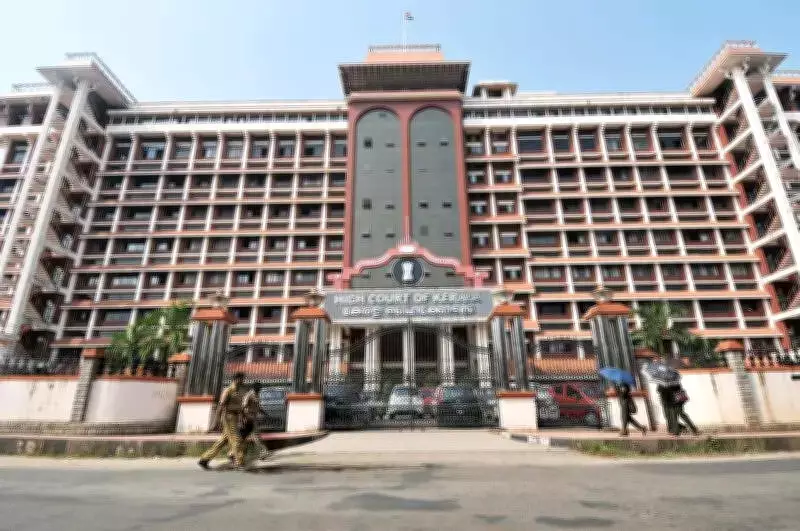
Kerala High Court Grants Custody of Asthmatic Child to Father, Mandates Strict Welfare Monitoring
In a significant ruling focused on child welfare, the Kerala High Court has granted custody of an 11-year-old boy to his father, while instituting a robust system of periodic inspections to safeguard the minor's well-being. The decision came after the court expressed deep concern over the child's living conditions and health issues while under the care of his maternal grandmother.
Background of the Custody Petition
The bench comprising Justices Raja Vijayaraghavan and K V Jayakumar was hearing a petition filed by a makeup artist from Ernakulam, who sought custody of his son. The boy had been residing with his wife, who lives separately in Kozhikode. The petitioner alleged that his wife is currently in a relationship with another man, and the child was primarily under the care of his maternal grandmother.
Previously, the petitioner had filed a complaint with the Child Welfare Committee (CWC) in Kozhikode regarding the boy's living conditions. Following this, the child was admitted to the JDT Junior Hostel in Vellimadukunnu, Kozhikode. Subsequently, the father approached the High Court to secure custody of his son.

Child's Distressing Testimony and Health Concerns
During court proceedings, the minor boy revealed distressing details about his life. He informed the court that he suffers from asthma and was not receiving adequate food in the mornings while staying with his grandmother. His only substantial meal of the day was the lunch provided at his school. This testimony played a crucial role in the court's assessment of the case.
The court also interacted with the boy, who expressed a clear desire to live with his father. This preference was carefully considered alongside other evidence presented during the hearings.
Court's Comprehensive Evaluation and Concerns
The High Court conducted a thorough evaluation of all aspects of the case. A report submitted by the child protection officer indicated that the petitioner consumes alcohol, raising concerns about whether placing the child in his custody would be in the boy's best interests.
Noting the child's close emotional bond with the petitioner's sister, the court interacted with her over the phone. She informed the court that she is currently residing in the Gulf region and expressed her willingness to support and care for the child. Additionally, the petitioner's father assured the High Court that the child's welfare would be properly taken care of.
Court's Directive for Ongoing Welfare Monitoring
In its ruling, the High Court observed that the continued placement of the child in an institution meant for orphaned children could not be regarded as being in his best interests. Accordingly, the court granted custody to the father with specific safeguards.
The court directed the District Child Protection Officer in Kozhikode to conduct periodic inspections every three weeks to monitor the child's well-being. The order specifies that if the child's welfare is found to be at risk during these inspections, the officer must immediately inform the Child Welfare Committee (CWC). The CWC is then authorized to take appropriate remedial measures and, if necessary, report the matter back to the court.
This comprehensive monitoring framework ensures that the child's transition to paternal custody is carefully supervised, with multiple layers of protection in place to address any emerging concerns about his health, nutrition, and overall development.






