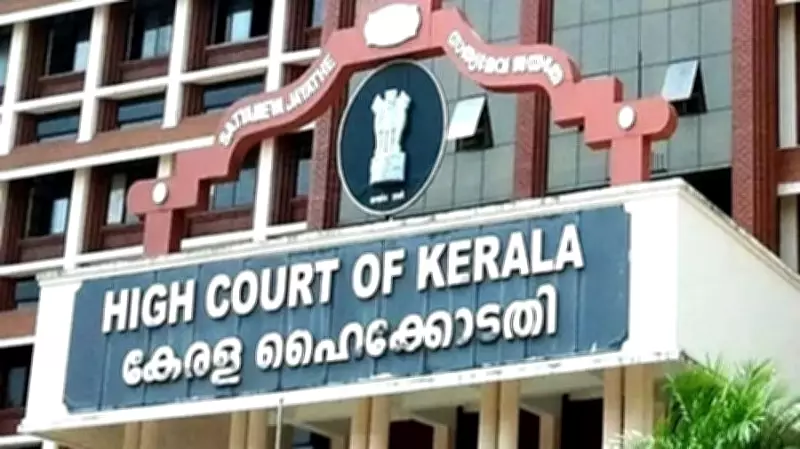
Kerala High Court Advocates for Religious Unity Through Law
The Kerala High Court has made a significant observation, stating that laws and regulations should serve to unify different religions rather than create discord between them. This judicial stance underscores the court's commitment to fostering interfaith harmony and social cohesion in a diverse society.
Court's Ruling on Temple Entry Case
The observation came during the dismissal of a plea that sought a declaration regarding the entry of two Christian priests into the Adoor Sree Parthasarathy Temple in Pathanamthitta district in 2023. The petitioner argued that this entry violated the Kerala Hindu Places of Public Worship (Authorisation of Entry) Act, 1965, which governs access to Hindu temples in the state.
In its ruling, the High Court emphasized that the purpose of such legislation should be to promote inclusivity and understanding among religious communities. The court noted that interpreting laws in a way that isolates or excludes groups could undermine the broader goals of peace and unity.
Background of the Case
The incident in question occurred in 2023 when two Christian priests visited the Adoor Sree Parthasarathy Temple, a Hindu place of worship. This led to legal challenges based on the 1965 Act, which was enacted to regulate entry into Hindu temples and protect religious practices. However, the High Court's decision highlights a progressive interpretation, focusing on the spirit of the law rather than a restrictive application.
The court's dismissal of the plea signals a move towards more inclusive legal frameworks that respect religious diversity while maintaining order. It reflects a growing judicial trend in India to balance traditional norms with modern values of equality and fraternity.
Implications for Religious Harmony
This ruling has broader implications for religious harmony in Kerala and across India. By advocating for laws that unify rather than divide, the Kerala High Court sets a precedent for other courts and policymakers. It encourages a reevaluation of existing regulations to ensure they align with constitutional principles of secularism and non-discrimination.
- The decision reinforces the idea that religious spaces can be sites of interfaith dialogue and mutual respect.
- It calls for a nuanced approach to religious laws, considering their impact on social cohesion.
- The ruling may influence future cases involving religious entry and access rights.
Overall, the Kerala High Court's observation serves as a reminder of the judiciary's role in promoting unity in a pluralistic society. As legal battles over religious issues continue, this case offers a framework for interpreting laws in a way that bridges divides and fosters harmony among diverse faith communities.