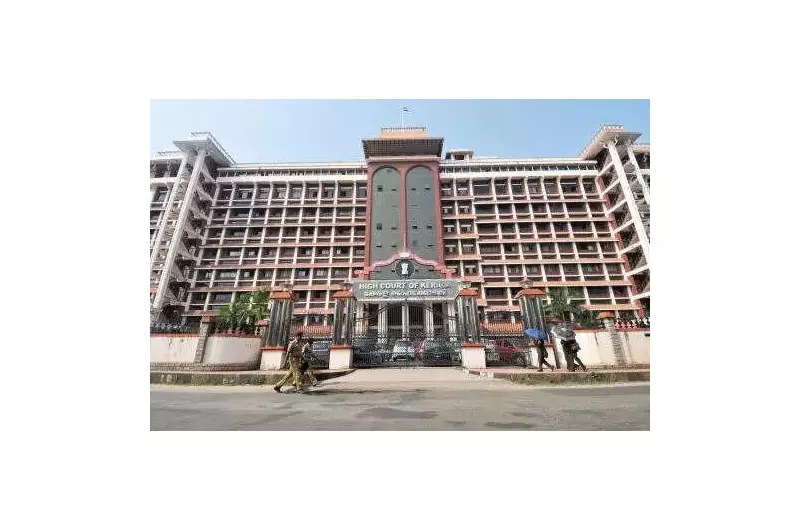
Kerala High Court Demands State Government Response in Contempt Case Over Appointment Regularization
The Kerala High Court has taken a significant step in addressing alleged violations of its previous judgments by seeking detailed instructions from the state government. This development comes in response to a contempt petition that accuses the chief secretary and other officials of illegally regularizing daily-wage and contract appointments, directly contravening established court directives.
Court Adjourns Petition for Further Consideration
A bench presided over by Justice C P Mohammed Nias has formally adjourned the petition filed by M Abdul Vahid of Malappuram to February 2 for more comprehensive consideration. This legal action highlights growing concerns about the state government's compliance with judicial orders regarding employment practices in public sector organizations.
Background of the Legal Dispute
The current contempt petition emerges from a broader legal context. Previously, in a separate case filed by S Vishnu of Adoor and others, the High Court had challenged the regularization of daily-wage employees across various public sector undertakings. In a landmark judgment delivered in 2025, the court unequivocally ruled that such appointments must strictly adhere to constitutional principles and established legal frameworks.

However, as a one-time exception, the High Court had validated the regularization of 543 specific appointments within different PSUs. It is important to note that an appeal challenging this particular judgment remains pending before the High Court, adding another layer of complexity to the ongoing legal proceedings.
Allegations of Continued Violations
In his current petition, Vahid has presented compelling evidence suggesting that multiple state government departments persist in taking steps to regularize individuals who were initially appointed on a temporary basis without following proper due process. To substantiate his claims, the petitioner submitted a copy of a government order dated January 3, 2026, which specifically regularized librarians, nursery school teachers, and ayahs as part-time contingent employees.
The petitioner has strongly contended that the state government continues to engage in regularization practices for illegally appointed personnel, demonstrating what appears to be complete disregard for the High Court's explicit directives. This pattern of alleged non-compliance raises serious questions about governance and adherence to judicial authority within the state administration.
Parallel Legal Action in Energy Sector Appointments
In a related development that underscores the breadth of this issue, Justice P V Kunhikrishnan has issued an interim order in a separate petition concerning temporary appointments at the Agency for Non-Conventional Energy and Rural Technology (Anert). The court has directed that any further such appointments must receive explicit approval from the High Court before proceeding.
This interim order came during consideration of a petition filed by V J Shanavas of Thiruvananthapuram and another individual, challenging 29 temporary appointments within Anert. The simultaneous legal actions across different government sectors suggest systemic concerns about appointment regularization practices that warrant judicial scrutiny and intervention.
The convergence of these cases before the Kerala High Court represents a critical examination of government employment practices and their alignment with constitutional mandates. As the legal proceedings advance, they are likely to establish important precedents regarding public sector recruitment and the enforcement of judicial decisions in administrative matters.