

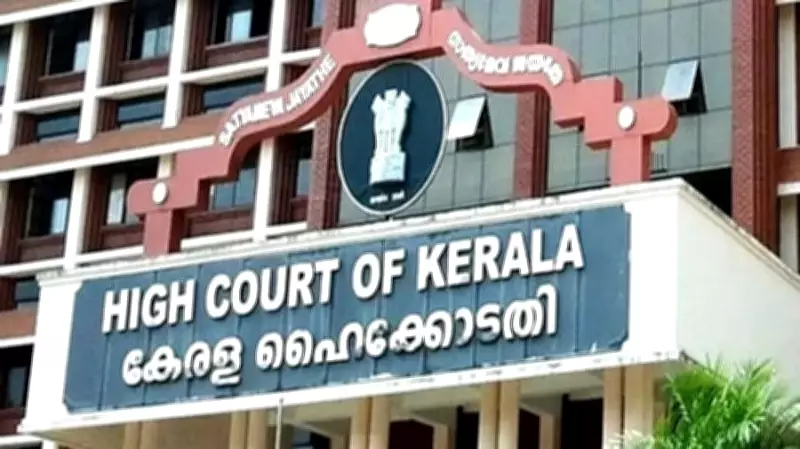
Kerala High Court Voices Strong Displeasure Over Railway Board's Delay on Aadhaar Issue
The Kerala High Court has issued a sharp rebuke to the Railway Board of India regarding its implementation of mandatory Aadhaar authentication for tatkal railway ticket bookings. A division bench comprising Chief Justice Soumen Sen and Justice Syam Kumar V M expressed significant dissatisfaction during a recent hearing.
Judicial Bench Demands Prompt Action
The court's displeasure emerged when legal counsel representing the Railway Board requested an additional three weeks to formulate and submit a formal response to the ongoing concerns about the Aadhaar requirement for tatkal reservations. The bench made it clear that such delays in addressing what it views as a critical public issue are unacceptable.
The judicial criticism centers on the mandatory nature of Aadhaar verification for accessing tatkal services, which are designed for last-minute travelers needing urgent bookings. Many citizens have raised objections about privacy concerns, technical glitches, and exclusion of those without Aadhaar cards from this essential service.

Background of the Controversial Policy
The Railway Board implemented the Aadhaar authentication requirement for tatkal bookings as part of broader digital identification measures aimed at preventing ticket fraud and ensuring genuine travelers benefit from the system. However, this move has sparked considerable debate about:
- Accessibility for citizens without Aadhaar documentation
- Technical reliability of the authentication system during peak booking times
- Privacy implications of linking travel with biometric identification
- Potential discrimination against marginalized communities
The Kerala High Court has been hearing petitions challenging this policy, with arguments focusing on whether the mandate violates fundamental rights and creates unnecessary barriers for legitimate travelers.
Railway Board's Response Timeline Questioned
The court specifically questioned why the Railway Board needed three additional weeks to address what has been an ongoing issue. The bench emphasized that matters affecting public convenience and fundamental rights require prompt attention from government authorities.
This judicial intervention comes at a time when digital authentication systems are increasingly integrated into public services across India. The court's stance suggests growing judicial scrutiny of how such systems are implemented and whether adequate safeguards exist to protect citizen rights.
The case continues to highlight the tension between technological governance initiatives and individual rights protections within India's legal framework.






