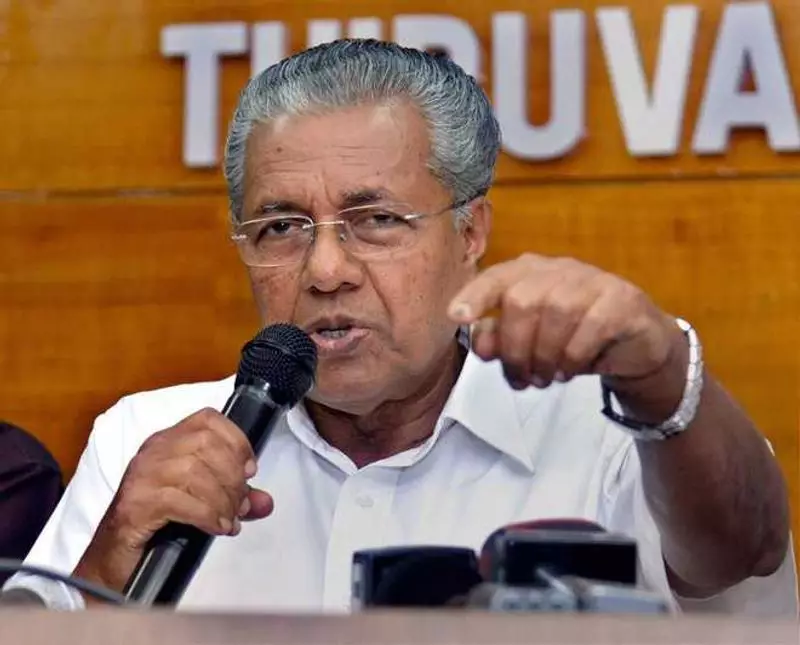
In a significant legal development, the Kerala High Court has issued an order to temporarily halt further proceedings initiated by the Enforcement Directorate (ED) against Chief Minister Pinarayi Vijayan and others. This action stems from a show-cause notice served by the central probe agency in connection with an alleged violation of the Foreign Contribution Regulation Act (FCRA).
Court's Interim Order and Legal Grounds
The single bench of Justice Devan Ramachandran passed the interim order on Monday, effectively putting a stay on the ED's proceedings. The court's decision came after considering a batch of petitions filed by the Chief Minister, his daughter Veena Vijayan, and other respondents named in the show-cause notice. The petitioners had challenged the constitutional validity and the very legality of the notice issued by the ED.
The core argument presented by the petitioners' legal counsel was that the ED lacked the jurisdiction to probe matters under the FCRA. They contended that the primary authority for administering the FCRA rests with the Ministry of Home Affairs and its designated officers, not the Enforcement Directorate. The court, acknowledging this substantial legal question, found merit in granting an interim stay to prevent any potential prejudice while the larger constitutional and legal challenges are examined in detail.
Background of the ED's Show-Cause Notice
The controversy revolves around financial transactions involving a private company, Cochin Minerals and Rutile Limited (CMRL). The Enforcement Directorate's notice, issued earlier this year, alleged that CMRL had made payments totaling several crores of rupees to a firm named Exalogic Solutions, which is linked to Veena Vijayan. The agency is investigating whether these funds constituted foreign contributions received in violation of the FCRA, as CMRL had dealings with a foreign entity.
The ED's notice demanded explanations from CM Pinarayi Vijayan, his daughter, and other individuals associated with the companies. The agency had set a deadline for the respondents to appear and record their statements. However, the petitioners moved the High Court, arguing that the ED was overstepping its mandate by venturing into an FCRA case, which falls outside the purview of the Prevention of Money Laundering Act (PMLA) that the ED primarily enforces.
Political Reactions and Future Implications
The court's order has provided immediate relief to the Chief Minister and the other petitioners, shielding them from compulsory proceedings by the ED for the time being. The case has naturally attracted significant political attention, with the ruling Left Democratic Front (LDF) viewing the ED's actions as politically motivated. The opposition, meanwhile, has been critical, alleging improper financial dealings.
The next hearing in the case has been scheduled for July, where the High Court will delve deeper into the jurisdictional tussle. The outcome of this legal battle could have far-reaching implications, not just for this specific case but also for defining the operational boundaries of central investigative agencies like the ED when dealing with state-level political figures and laws like the FCRA. The stay order underscores the judiciary's role as a critical arbiter in disputes involving high-stakes political and legal interpretations.