Kerala Human Rights Commission Intervenes in Pathway Ownership Dispute Affecting Blind Resident
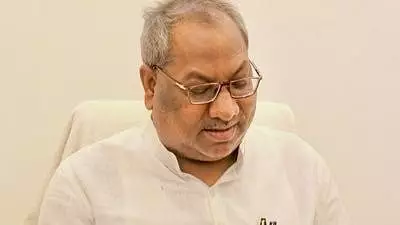
The Kerala State Human Rights Commission (SHRC) has taken decisive action to address a contentious pathway ownership dispute in Perumkadavila panchayat, Thiruvananthapuram district, which has severely impacted the mobility of a visually impaired resident. Chairperson Justice Alexander Thomas has issued a directive to the district legal services authority (DLSA) to thoroughly examine the case and devise a permanent resolution to this pressing issue.
Blind Man's Access Blocked by Wall Construction
The dispute centers on a 2-meter-wide pathway that has been utilized by multiple residents, including 69-year-old K Sugathan, a blind individual from Tathiyoor. Sugathan filed a formal complaint alleging that another resident obstructed his freedom of movement by constructing a wall across the pathway, effectively blocking his access. This obstruction has raised significant concerns about the rights and daily life of a person with disabilities.
Conflicting Claims Over Pathway Ownership
In a detailed report submitted to the SHRC, the Perumkadavila panchayat secretary acknowledged that the pathway is listed in the panchayat's asset register. However, the authenticity of this entry could not be definitively established, creating a legal gray area. The opposing party contends that the wall was erected on their private property and that Sugathan's use of the path was merely a verbal, humanitarian allowance, not a formal right.

The joint director of the Local Self-Government (LSG) department investigated the matter and reported that the pathway is not officially registered in the panchayat's name. This revelation has prompted questions about how the pathway was included in the asset register initially, adding complexity to the dispute.
SHRC's Directive for Amicable Resolution
Recognizing the potential for a mutually agreeable settlement, the SHRC has transferred the case to the DLSA secretary. Justice Thomas emphasized the importance of hearing all stakeholders involved, including:
- The complainant, K Sugathan
- The opposing party who built the wall
- The panchayat president and secretary
- The village officer
- The LSG joint director
This comprehensive approach aims to facilitate dialogue and explore all avenues for resolution. The commission has instructed the DLSA secretary to utilize the provisions of the Kerala Legal Services Authority Act, 1987, to pass an award for a permanent solution if both parties are willing to settle the complaint amicably.
Broader Implications for Property Rights and Accessibility
This case highlights critical issues at the intersection of property ownership, public access, and the rights of persons with disabilities. The SHRC's intervention underscores the necessity of clear legal frameworks to prevent such disputes and ensure that vulnerable populations, like the visually impaired, are not deprived of essential mobility. The outcome of this investigation could set a precedent for similar conflicts in Kerala and beyond, reinforcing the role of human rights commissions in safeguarding individual freedoms.
As the DLSA proceeds with its examination, stakeholders await a resolution that balances private property claims with the fundamental need for accessible pathways, particularly for those with disabilities. The commission's focus on a permanent solution reflects a commitment to justice and equity in local governance.