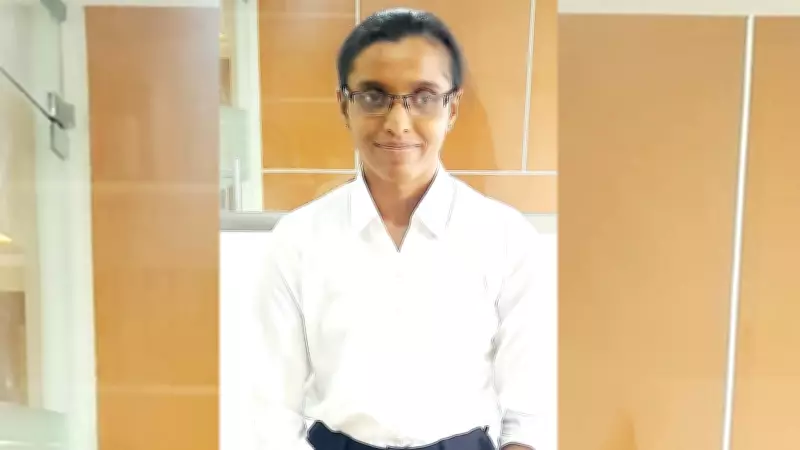
From Braille to Bench: Meet 24-Year-Old Lawyer Thanya Nathan, Set to Become Kerala's First Visually-Impaired Judge
A remarkable achievement has unfolded in Kerala's judicial landscape as C Thanya Nathan, a 24-year-old lawyer, is poised to become the state's first visually-impaired judicial officer. This historic milestone comes just 11 months after the Supreme Court of India issued a landmark ruling, opening doors for persons with benchmark disabilities to serve in the judiciary.
A Landmark Supreme Court Ruling Paves the Way
In March of the previous year, the Supreme Court, while hearing a petition challenging a Madhya Pradesh service rule, held that individuals with disabilities, including those who are visually impaired, cannot be excluded from judicial services. This decision provided the crucial impetus for Thanya to pursue her dream of becoming a judge, breaking down long-standing barriers in the legal profession.
Topping the Rank List in the Disability Category
A native of Mangad in Kannur district, Thanya Nathan has achieved a significant feat by topping the rank list in the persons with disabilities category for civil judges (junior division) in the Kerala Judicial Service. The High Court published this list last week, marking a pivotal moment in her career and in the broader context of inclusivity within India's judicial system.

Overcoming Challenges with Technology and Support
Thanya's journey has been one of resilience and adaptation. She has been practicing law at the Taliparamba court complex in Kannur for 1.5 years, where she received unwavering support from the local bar and bench. Her family, including her mother Babitha, who accompanied her to court, played a vital role in her success. Thanya credits technology, such as text-to-speech software, for enabling her to access online study materials and documents, transforming her preparation for the judicial services examination.
"During my days as a law student, I had to convert study materials into Braille, which was an uphill task. But text-to-speech technology came to my aid for the exam preparation," she explains, highlighting how digital tools have bridged accessibility gaps.
Educational Background and Future Steps
Thanya's educational path reflects her determination. She attended a special school from Classes 1 to 7 before shifting to a regular school, where her lessons were converted into Braille. Initially aspiring to be a lawyer, she was encouraged by her family and senior advocate K G Sunil Kumar to apply for the civil judge position when recruitment was notified last year.
Her appointment is currently in process, with a one-year training scheduled at the Kerala Judicial Academy before she assumes her role as a magistrate or munsiff. Thanya believes her disability will not hinder her judicial duties, thanks to ongoing technological advancements and a supportive environment.
A Symbol of Progress and Inclusivity
This achievement underscores a broader shift towards greater inclusivity in India's public services, driven by legal reforms and societal support. Thanya Nathan's story serves as an inspiration, demonstrating that with determination, technological aid, and progressive policies, individuals with disabilities can excel in demanding professions like the judiciary.