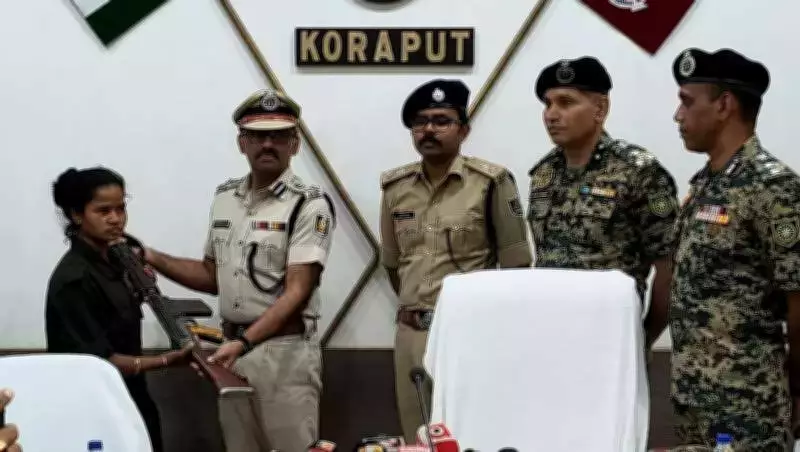
Koraput District Officially Declared Maoist-Free Following Key Surrender
In a significant development for security in Odisha, the Koraput district has been officially declared free from Maoist influence. This milestone was achieved after a prominent woman area committee member of the banned CPI (Maoist) organization surrendered to authorities on Thursday.
Details of the Surrender
The surrendered cadre has been identified as Mamata Podiami, also known as Mamita or Soni, aged 26. She was an underground Maoist leader operating in the region. Upon her surrender, she handed over a 7.62 mm SLR rifle, one magazine, and five rounds of ammunition to police and Border Security Force (BSF) officers.
Mamata Podiami is a resident of Lingapuram village under Maratbaka gram panchayat in Bijapur district of Chhattisgarh. She was a member of the AOB military platoon. During the surrender process, she formally renounced violence, severed all links with extremist activities, and expressed her faith in the democratic process.

Impact on Maoist Networks
Senior police officers have highlighted that Koraput now follows in the footsteps of other districts such as Nuapada, Nabarangpur, and Malkangiri, which were previously declared Maoist-free. These declarations come after sustained efforts to weaken the extremist network through strategic operations.
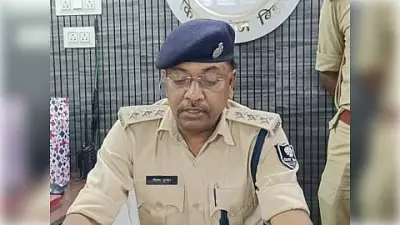
"Koraput becoming Maoist-free reflects the combined impact of strong security action, people-centric development, and effective surrender and rehabilitation policies," said DIG (south-western range), Kanwar Vishal Singh. He emphasized that this achievement is a result of coordinated efforts between security forces and government initiatives.
Koraput SP, Rohit Verma, stated, "This surrender is a major setback to the CPI (Maoist) organisation and significantly erodes its leadership, morale, and operational strength." Police records indicate that Mamata was involved in at least one major case in Bijapur district and linked to several exchange of fire incidents and anti-government activities in the bordering areas of Odisha and Chhattisgarh.
Factors Leading to the Surrender
The DIG explained that multiple factors contributed to Mamata's decision to surrender. These include sustained pressure from security forces, growing disillusionment with Maoist ideology, and a leadership vacuum within the organization. "Regular appeals by chief minister Mohan Charan Majhi and the state police leadership urging cadres to abandon violence and join the mainstream have also had a strong impact," he added.
Rehabilitation and Financial Support
Under the state's surrender-cum-rehabilitation policy, Mamata Podiami is entitled to receive financial assistance to support her transition back into society. She will receive Rs 5.5 lakh based on her rank within the Maoist organization, along with an additional Rs 1.65 lakh for surrendering the SLR rifle, bringing the total amount to Rs 7.15 lakh. An interim relief of Rs 50,000 has already been provided to her.
SP Rohit Verma assured, "We assure that all entitled benefits will be provided promptly so that she can rebuild her life with dignity and security." This policy aims to facilitate the reintegration of former extremists into mainstream society, offering them a chance at a peaceful and productive life.
Continued Vigilance and Future Steps
Despite the declaration of Koraput as Maoist-free, authorities remain cautious due to the district's strategic geographical location. It borders Chhattisgarh and Andhra Pradesh, areas that have historically seen Maoist activity. DIG Kanwar Vishal Singh warned, "We cannot be complacent. Area domination exercises will continue and forces will remain on high alert."
This ongoing vigilance is crucial to prevent any resurgence of extremist activities and to ensure the long-term security and stability of the region. The success in Koraput serves as a model for other districts grappling with similar challenges, demonstrating the effectiveness of a multi-pronged approach combining security measures, development initiatives, and rehabilitation programs.