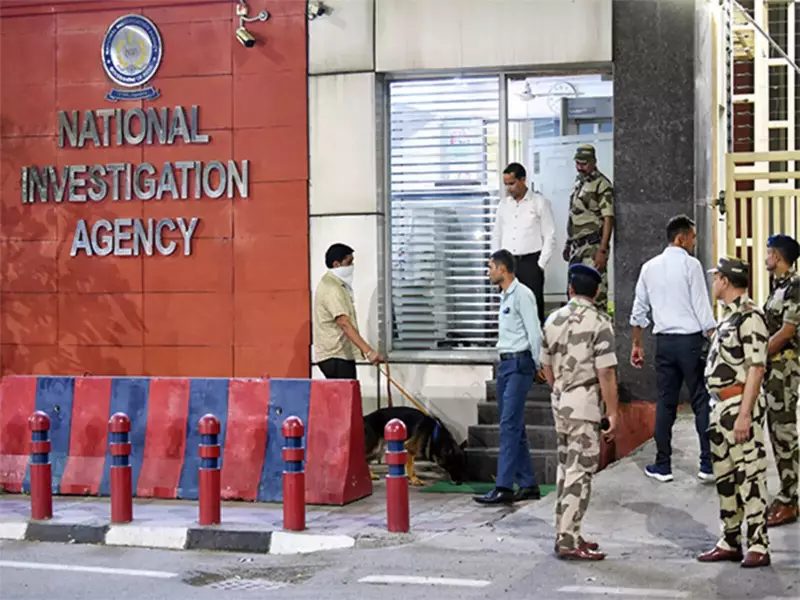
A special court handling cases for the National Investigation Agency (NIA) has delivered a significant verdict, convicting and sentencing a key operative to life imprisonment for his role in a terror conspiracy linked to the banned outfit Hizbul Mujahideen. The judgment was announced on Wednesday.
The Convict and the Charges
The individual found guilty is Kamruj Zaman, who also used the aliases Hurairah and Kamaruddin. He hails from Erakapili village located in Assam's Hojai district. Zaman's arrest took place in 2018, following an investigation into a conspiracy to raise a module of the Pakistan-based terrorist group within the state during the period of 2017-18.
According to the NIA, Zaman played a pivotal role by recruiting several individuals with the aim of establishing a terror network. This network's primary objective was to expand the operational footprint of Hizbul Mujahideen into India's northeastern region.

Court's Sentence and Fines
The court handed down three separate sentences to Kamruj Zaman. The most severe punishment is life imprisonment, which was awarded under the stringent Section 18 of the Unlawful Activities (Prevention) Act, 1967 (UAPA).
In addition to the life term, the judge sentenced him to five years of simple imprisonment each under UAPA sections 18B and 38. These charges were read in conjunction with Section 120B of the Indian Penal Code, which deals with criminal conspiracy. The court directed that all these sentences will run concurrently, meaning Zaman will serve them simultaneously.
Furthermore, the court imposed a financial penalty. Zaman has been ordered to pay a fine of Rs 5,000 in each of the three cases, totaling Rs 15,000.
Implications of the Verdict
This conviction marks a crucial success for the National Investigation Agency in its ongoing efforts to dismantle terror networks seeking to infiltrate and destabilize the northeastern states of India. The life sentence under the UAPA underscores the severity with which the judiciary views conspiracies to recruit and establish modules for banned terrorist organizations on Indian soil.
The case highlights the persistent threat of cross-border terrorism and the continuous efforts of security agencies to identify and neutralize such threats before they can materialize into violent acts. The verdict sends a strong message about the legal consequences awaiting those involved in plotting terror activities within the country.