Landmark Judgment Promotes Religious Equality in Tamil Nadu
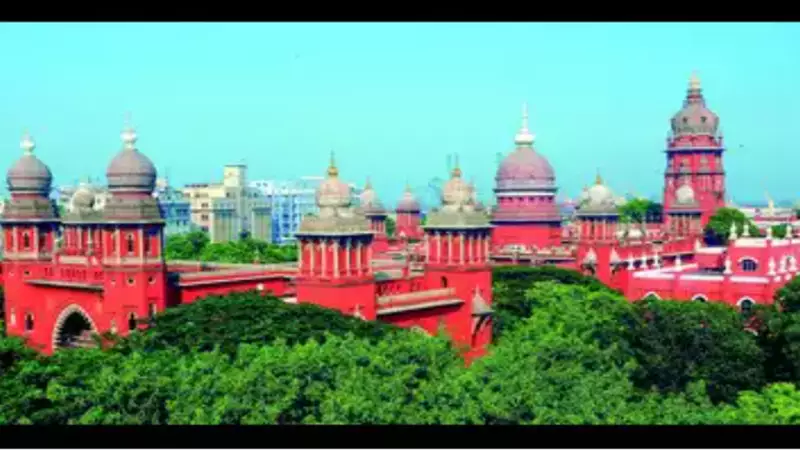
In a historic verdict that challenges deep-rooted caste discrimination, the Madras High Court has mandated an integrated route for temple car processions that must include the Dalit Colony in Puthagaram village, Kancheepuram district. The ruling came on Friday as Justice P B Balaji delivered powerful observations about religious equality and divine inclusivity.
Court's Powerful Message Against Caste Discrimination
Justice Balaji emphatically stated that faith cannot be confined by caste boundaries or human prejudice. The judge declared that divinity exists everywhere and no street should be considered unworthy of hosting a temple chariot or the deity it carries. God never discriminates among devotees, and therefore discrimination cannot be justified by claiming traditional sanctity, the court observed.
The case emerged from a petition filed by Selvaraj, a resident of Puthagaram village, who sought the court's intervention to ensure that he and his community members could freely enter the Muthu Kolakki Amman Temple. The petitioner also demanded that the annual temple car festival should include the Dalit Colony in its procession route.

District Collector's Report Supports Integrated Route
The court noted that the Kancheepuram District Collector's report had already confirmed that an integrated procession route including extensions from the existing path was entirely feasible. The collector suggested only minor repairs and alterations would be necessary to implement the inclusive route.
However, dominant caste groups in the village had opposed the integrated route, arguing that it might create a precedent for similar requests from other community members. The court rejected this argument, emphasizing that constitutional values must prevail over discriminatory practices.
The judge reinforced that no individual or group can dictate who is entitled to worship a deity. The abolition of untouchability under the Constitution extends beyond physical access to encompass the complete eradication of discriminatory attitudes and practices in their true spirit.
Unanimous Agreement on Temple Access
During proceedings, all parties involved acknowledged that there was no official bar preventing any community member from entering the temple and worshipping the deity. Justice Balaji noted that recording this unanimous stand would adequately address the petitioner's concerns regarding temple access.
This judgment represents a significant step toward realizing the constitutional promise of equality and dignity for all citizens, regardless of caste background. The court's firm stance on religious inclusivity sets an important precedent for similar cases across Tamil Nadu and potentially throughout India.
The integrated route approval ensures that future temple car processions in Puthagaram village will symbolically and practically demonstrate that divinity transcends man-made social divisions, bringing the festival's blessings to every household in the community.