

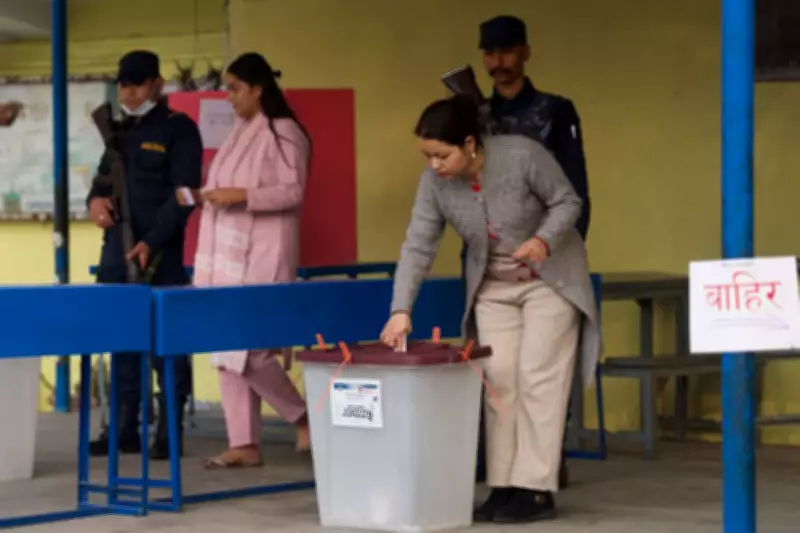
Nepal's 2026 Elections Commence with Massive Voter Turnout After Youth-Led Unrest
Polling is currently underway in Nepal for the 2026 general elections, a pivotal moment following widespread Gen Z protests last year that demanded political reforms and greater accountability. This electoral process involves a staggering 18.9 million eligible voters who are casting their ballots to fill 275 parliamentary seats, shaping the nation's future governance.
Key Factors Driving the Election
The elections are being closely watched due to the aftermath of the 2025 Gen Z protests, which saw thousands of young Nepalis take to the streets. These demonstrations highlighted issues such as corruption, unemployment, and calls for more inclusive policies, putting pressure on political parties to address these concerns in their campaigns.
Voter registration efforts have been robust, with authorities ensuring accessibility across diverse regions, from urban centers to remote rural areas. The election commission has implemented measures to maintain transparency and security, aiming to foster trust in the democratic process.

Impact of Last Year's Protests
The Gen Z protests, characterized by their use of social media and non-violent tactics, significantly influenced the political discourse leading up to these elections. Many candidates have incorporated youth-centric agendas into their platforms, focusing on job creation, educational reforms, and environmental sustainability.
Analysts suggest that the protests may lead to a shift in power dynamics, with newer or reform-oriented parties gaining traction. The high voter turnout, particularly among younger demographics, underscores the lasting impact of the unrest on civic engagement.
Election Logistics and Challenges
Organizing elections in Nepal's varied terrain presents logistical challenges, but officials report smooth proceedings so far. Polling stations are equipped to handle the large electorate, with strict protocols in place to prevent irregularities.
Key points to note include:
- Voter Base: 18.9 million registered voters participating nationwide.
- Seat Distribution: 275 seats up for grabs in the federal parliament.
- Post-Protest Context: Elections follow intense Gen Z activism demanding systemic changes.
- Youth Involvement: Increased political awareness and mobilization among younger voters.
- Security Measures: Enhanced protocols to ensure a free and fair voting process.
As polling continues, the outcome will be crucial in determining how Nepal addresses the grievances raised during last year's protests and charts its path forward in regional and global affairs.






