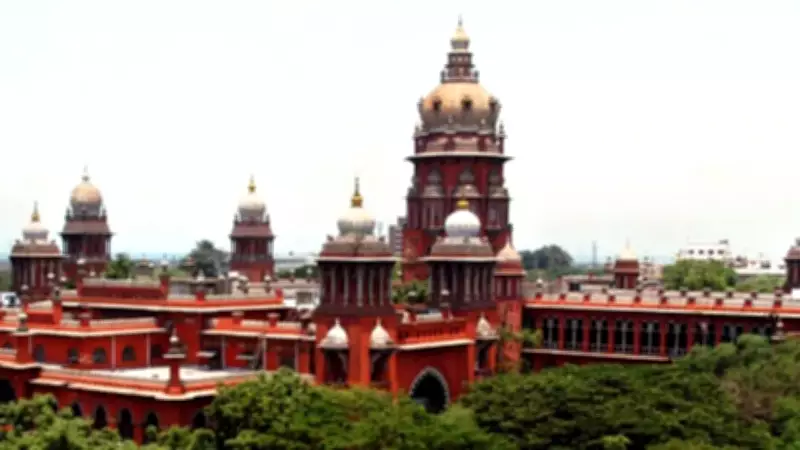
The Madras High Court has discharged nephrologist and organ transplant surgeon M Ganesan from an illegal kidney transplant case, citing procedural violations and concluding that the doctor had been subjected to harassment.
Court's Observations
Justice S Thamilselvi, in an order delivered in January this year, stated: "The petitioner, being a doctor, has been subjected to prolonged harassment for several years with an ulterior motive, at the instance of the authorities as well as other individuals. This case clearly amounts to an abuse of the process of law." The judge further noted that the lower court failed to appreciate both the factual matrix and the legal position in their proper perspective and erroneously dismissed the discharge petition, warranting interference by this court.
Background of the Case
Criminal proceedings were initiated in June 2021 for an alleged offence that occurred in 2011. In the interim, a direction petition was filed in the Madras High Court under Section 482 of the Code of Criminal Procedure (CrPC). Subsequently, the trial court rejected Ganesan's discharge plea, holding that the reasons assigned by the petitioner required appreciation of detailed evidence and that he could not be discharged at that stage. Aggrieved by this order, Ganesan filed a revision petition in the High Court.

Allegations Against the Doctor
The case against Ganesan alleged that he arranged a donor by falsifying affidavits, portraying the donor as a willing person to donate a human organ in exchange for monetary consideration, all in contravention of the Transplantation of Human Organs (TOHO) Act, 1994. He was accused of committing the offence while serving as a kidney transplant surgeon and head of the Kidney Transplant Accreditation Committee of Vinayaga Mission Hospital. He was charged with violating Sections 19(b), 19(d), and 19(g) of the TOHO Act, 1994.
Procedural Violations Identified
Justice Thamilselvi observed that under the TOHO Act, only an Appropriate Authority has powers akin to those of a civil court trying a suit under the CrPC in cases of suspected unauthorized removal of organs. However, in this case, criminal proceedings were initiated by the police at the very inception. "As per the above provisions of the special statute, such initiation of proceedings was impermissible, rendering the FIR itself illegal. The veracity of the complaint ought to have been examined by the Appropriate Authority by furnishing copies of the complaint to the petitioner and by issuing summons for enquiry. No such opportunity was afforded to the petitioner," the judge said.
The police, without providing any proper opportunity or obtaining an explanation, arrested and remanded the petitioner, thereby violating his fundamental right to liberty. The Appropriate Authority also failed to conduct a proper investigation as mandated under the Act.
Discharge Order
Allowing Ganesan's plea, the High Court set aside the findings of the trial court and discharged the doctor from all charges. The order stated: "Findings of the trial court are set aside, and the petitioner is discharged from all the charges levelled against him in C.C.No.17 of 2021 on the file of the learned District Munsif-cum-Judicial Magistrate, Pennagaram, Dharmapuri."