Madras High Court Directs Election Commission to Respond to PMK's Symbol Petition
The Madras High Court has taken a significant step in a political symbol dispute by ordering the Election Commission of India (EC) to issue a notice regarding a petition filed by Pattali Makkal Katchi (PMK) founder Dr. S. Ramadoss. The petition seeks the allocation of the mango symbol to the party, a matter that could impact Tamil Nadu's political landscape.
Judicial Bench and Hearing Details
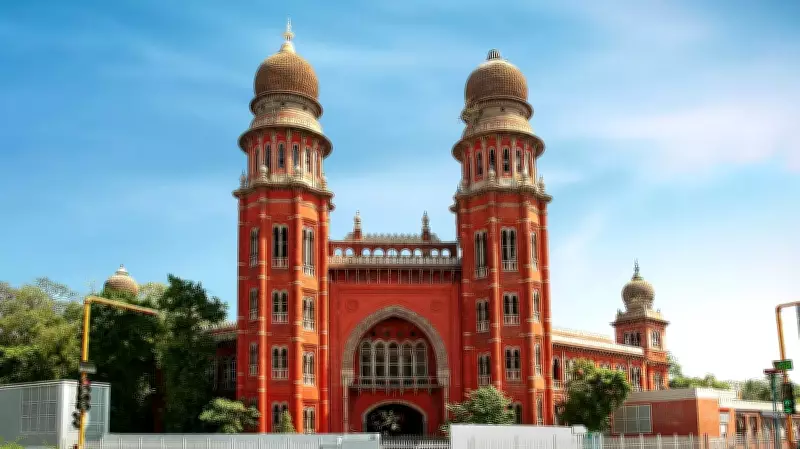
The First Bench of the Madras High Court, comprising Chief Justice M M Shrivastava and Justice G Arul Murugan, presided over the case. After hearing initial arguments, the bench has posted the further hearing of this petition after three weeks. This timeline allows the Election Commission sufficient opportunity to prepare and submit its response to the court's notice.
Background of the PMK's Symbol Request
The Pattali Makkal Katchi (PMK), a prominent political party in Tamil Nadu, has historically been associated with various symbols in its electoral journey. Dr. S. Ramadoss, the founder and senior leader of the party, filed this plea to secure the mango symbol, which holds cultural and regional significance in the state. Political symbols play a crucial role in Indian elections, especially in aiding voter identification, and this move by PMK could be strategic for upcoming electoral battles.
Implications for Tamil Nadu Politics
This legal development comes at a time when political parties in Tamil Nadu are gearing up for future elections. The allocation of symbols by the Election Commission is governed by strict guidelines, and any change or request can lead to legal scrutiny. The Madras High Court's intervention highlights the judicial oversight in ensuring fair electoral practices. If PMK succeeds in obtaining the mango symbol, it might influence the party's branding and voter appeal in the region.
Next Steps and Broader Context
With the hearing scheduled after three weeks, all eyes will be on the Election Commission's response and the subsequent court proceedings. This case underscores the intersection of law and politics in India, where courts often adjudicate on matters of electoral symbols and party rights. It also reflects the ongoing dynamics in Tamil Nadu's political arena, where symbol disputes can become focal points of legal and public discourse.