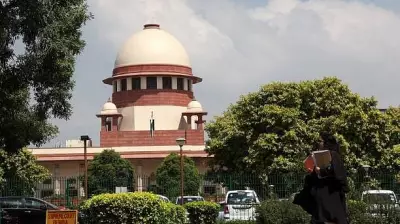
Madras High Court Directs ECI to File Response on Webcasting Tender Plea
The Madras High Court has issued a directive to the Election Commission of India (ECI), requiring it to submit a formal response by Tuesday regarding a petition that contests specific eligibility conditions in a tender for webcasting services during the upcoming Tamil Nadu elections. This interim order was passed by the first bench, comprising Chief Justice Sushrut Arvind Dharmadhikari and Justice G Arul Murugan, after admitting the plea filed by I-Net Secure Labs Private Limited, a company based in Arumbakkam, Chennai.
Petition Challenges Restrictive Tender Conditions
The petitioner, I-Net Secure Labs, has raised objections against certain eligibility requirements outlined in the tender, which is aimed at providing webcasting infrastructure at numerous polling stations across Tamil Nadu, along with monitoring systems for counting centres. According to the plea, these conditions are overly restrictive and hinder broader participation from potential bidders, thereby limiting competition and potentially affecting the quality and cost-effectiveness of the services.
Key Allegations by the Petitioner:
- The turnover requirement mandated in the tender is disproportionate to the estimated value of the project. Specifically, the tender stipulates that bidders must have an average annual turnover of 100 crore rupees over the last three audited financial years.
- This criterion differs significantly from the norms followed in previous election-related tenders, creating an inconsistency that could unfairly exclude qualified companies.
- The petitioner argues that the eligibility norms should be revised to allow for cumulative or proportionate turnover requirements, aligning with practices observed in similar tenders issued earlier by the ECI.
Court's Interim Order and Next Steps
In response to these allegations, the Madras High Court has directed the Election Commission to file its detailed response by Tuesday. This move underscores the court's commitment to ensuring transparency and fairness in the tendering process, especially for critical infrastructure projects related to elections. The petitioner has sought judicial intervention to set aside the contested tender conditions and to instruct the authorities to revise the eligibility criteria to foster a more inclusive bidding environment.
This development highlights ongoing concerns about procurement practices in election management, with potential implications for future tenders and the integrity of electoral processes in India.