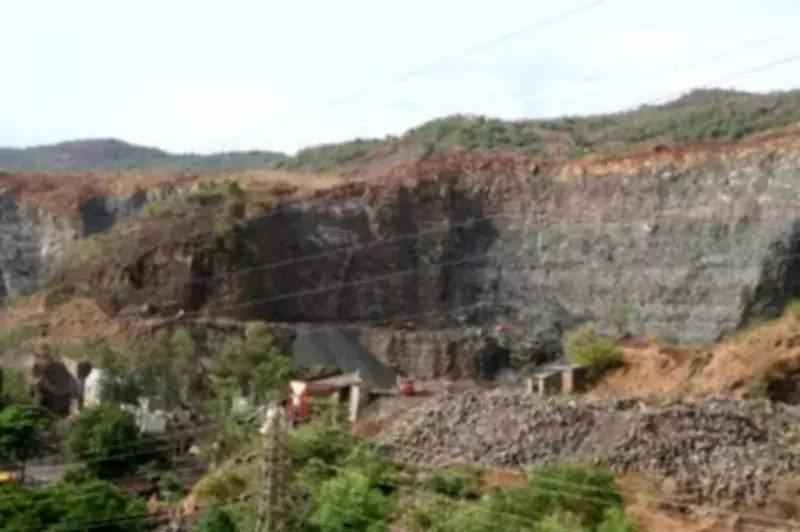
The Madras High Court has taken a significant step in addressing environmental and agricultural concerns in Madurai district, directing the Tamil Nadu state government to respond to allegations of illegal quarrying operations in Kallikudi taluk. On Friday, a division bench comprising Justice G Jayachandran and Justice K K Ramakrishnan issued this directive while hearing a public interest litigation (PIL) that highlights the detrimental impact of unauthorized stone quarrying on local communities.
Court Directs Detailed Report on Quarrying Licences
The bench has specifically ordered the authorities to submit a comprehensive report detailing the licences granted for quarrying operations in the area. This report must include crucial information such as the validity period of these licences and the permissible extent of quarrying activities allowed in the affected villages. The court's intervention comes as a response to the serious allegations raised in the PIL, which underscore the urgent need for regulatory oversight.
PIL Highlights Widespread Illegal Activities
The public interest litigation was filed by petitioners G Abel Moorthy and U Chellapandi, who brought to light the rampant illegal stone quarrying operations in Achankulam, Ulagani, and Thirumal villages within Kallikudi taluk. According to the petitioners, these activities have been carried out by several individuals without proper authorization, leading to severe consequences for the local agricultural community.
Most residents in these villages rely heavily on agricultural activities for their livelihood, making the impact of quarrying particularly devastating. The petitioners detailed how dust emanating from the quarries has created significant difficulties for farmers, affecting crop health and productivity. Furthermore, the use of explosives in these quarries to break rocks has resulted in shattered debris falling onto nearby agricultural lands, causing direct crop damage and posing serious safety threats to workers in the fields.
Environmental and Safety Concerns Raised
Beyond agricultural damage, the PIL raises alarming environmental and safety issues. The quarrying operations are reportedly conducted very close to waterbodies, potentially threatening local water sources and ecosystems. This proximity exacerbates the negative effects on agricultural activities, as water contamination and disruption can further harm crop yields.
Indiscriminate quarrying has been carried out illegally, often exceeding permissible limits set by regulations. The frequent use of explosives in these operations has led to mild vibrations experienced by villagers, adding to their discomfort and safety concerns. These vibrations not only disturb daily life but also raise questions about the structural integrity of homes and other buildings in the vicinity.
Villagers' Opposition and Legal Action
The local villagers have repeatedly opposed these quarrying operations, voicing their concerns through various channels. They submitted a formal representation to the authorities, urging them to prohibit quarrying activities in the villages to safeguard the welfare of the community. However, this representation has yet to be considered or acted upon, leaving the villagers without recourse.
Frustrated by the lack of response from the authorities, the petitioners decided to seek judicial intervention. They moved the court seeking relief from the ongoing illegal activities, hoping that legal action would prompt the state to address these critical issues. The court's directive for a detailed report marks a crucial first step in this legal process, potentially paving the way for stricter enforcement of quarrying regulations and better protection for the affected communities.
This case highlights the ongoing struggle between industrial activities and environmental conservation in rural India, emphasizing the need for balanced development that considers both economic interests and community welfare. The Madras High Court's involvement underscores the judiciary's role in upholding environmental laws and ensuring that regulatory frameworks are properly implemented to prevent such violations in the future.