Madras High Court Intervenes in Temple Contempt Case
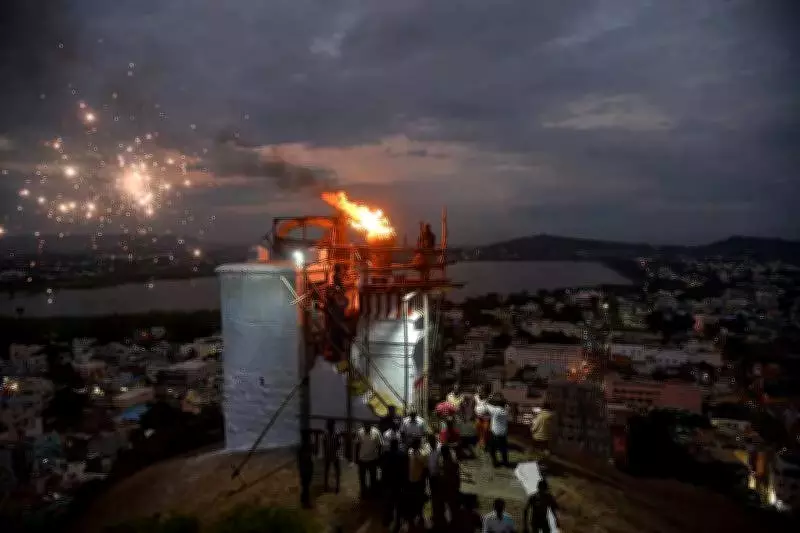
A division bench of the Madras High Court has issued an interim stay order on contempt of court proceedings initiated by a single judge against the Madurai district collector and the Thiruparankundram temple authorities. This legal action stems from the ongoing karthigai deepam case, which has sparked significant debate over religious practices and administrative compliance.
Court Proceedings and Stay Order Details
The bench, comprising Justice N Sathish Kumar and Justice M Jothiraman, granted the stay while hearing a batch of appeals filed by the authorities. These appeals challenge the orders passed by the single bench regarding the contempt proceedings in the Thiruparankundram deepam case. The further hearing of these appeals has been scheduled for April 8, allowing time for both sides to prepare their arguments.
On March 4, Justice G R Swaminathan had postponed the contempt proceedings to March 18. This decision came after the board of trustees of the Subramaniya Swamy temple in Thiruparankundram submitted that the court's suggestion needed careful deliberation. The suggestion involved permitting five persons to offer symbolic prayers, not including the lighting of the lamp, at the deepathoon atop Thiruparankundram hill. The trustees emphasized the need to consult the Hindu Religious and Charitable Endowments (HR and CE) department before making a final decision.

Administrative and Legal Perspectives
Madurai district collector K J Praveen Kumar had previously filed an affidavit outlining the district administration's stance. He stated that the administration could implement the high court's order only if there were no law and order issues in the area. Additionally, he clarified that the prohibitory orders issued under Section 163 of the Bharatiya Nagarik Suraksha Sanhita (BNSS), 2023, did not intend to hinder temple officials from lighting the lamp in accordance with the high court's judgment.
During the last hearing, Justice Swaminathan had proposed a symbolic gesture to show respect for the court's order. He suggested allowing exactly five persons, to be named by the court, to visit the lower peak of the hillock where the deepathoon is located. This visit would be limited to 15 minutes for offering symbolic prayers. Justice Swaminathan explicitly noted that this was a suggestion and not a formal direction, highlighting the court's attempt to balance legal compliance with practical considerations.
Implications and Next Steps
The interim stay order by the division bench temporarily halts the contempt proceedings, providing a reprieve for the authorities involved. This case underscores the complex interplay between religious traditions, administrative responsibilities, and judicial oversight in India. As the hearing approaches on April 8, stakeholders will closely monitor developments, which could set precedents for similar disputes in the future. The outcome may influence how courts handle conflicts involving temple rituals and government enforcement, emphasizing the need for clear guidelines and cooperative resolutions.