

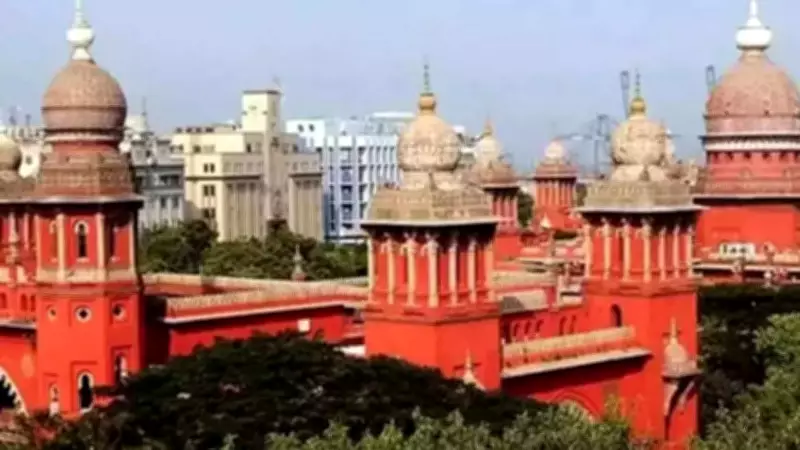
Madras High Court Issues Interim Stay on Tamil Nadu's Controversial School Rule
In a significant development, the Madras High Court on Thursday passed an interim stay against a recent amendment to the Tamil Nadu Private Schools (Regulation) Rules. This amendment had mandated that all private schools in the state must file an annual undertaking, explicitly stating that no external organizations would be permitted to organize any events during or outside school hours.
Background and Rationale Behind the Rule
The rule was introduced by the Tamil Nadu government in response to numerous complaints alleging that the Rashtriya Swayamsevak Sangh (RSS) was being allowed to conduct its Shakhas within private school premises. According to the newly implemented regulations, failure to submit this mandatory annual undertaking would result in the cancellation of the school's recognition.
The legal challenge was initiated by Saraswathi Vidyalaya Matriculation Higher Secondary School, which filed a plea contesting the amendments. The school argued that the prohibition extended even to events organized outside regular school hours, which they deemed overly restrictive.

Court Proceedings and Interim Relief
When the plea came up for hearing before the first bench comprising Chief Justice Sushrut Arvind Dharmadhikari and Justice G Arul Murugan, the court granted an interim stay on the requirement to file the undertaking. This stay will remain in effect until the next hearing date.
However, the court explicitly refused to grant a stay against the operation of the entire amendment, which prohibits such events on school premises altogether. The judges clarified that "granting a complete stay against the amendments would amount to granting the final relief sought in the plea."
Arguments and Clarifications from the Court
During the proceedings, Advocate General P S Raman, representing the state of Tamil Nadu, raised concerns that schools might misuse the interim stay to violate the prohibition on external events. In response, the court provided a crucial clarification: the stay applies only to the filing of the annual undertaking and does not affect the prohibition itself or any other conditions imposed under the regulation.
The court emphasized that schools must continue to adhere to the prohibition against allowing external organizations to organize events on their premises. This interim order thus provides temporary relief from the administrative burden of filing the undertaking while maintaining the core intent of the regulation.
Implications and Next Steps
This interim stay highlights the ongoing legal and political tensions surrounding the involvement of external organizations like the RSS in educational institutions. The case has drawn significant attention due to its implications for school autonomy, regulatory oversight, and political influences in the education sector.
The next hearing is awaited, where the court will further deliberate on the merits of the plea and the constitutional validity of the amendment. Stakeholders, including school administrations, parents, and political groups, are closely monitoring the proceedings, as the outcome could set a precedent for similar regulations across India.






