

Maharashtra Government Launches Study Group on E-Challan Technology
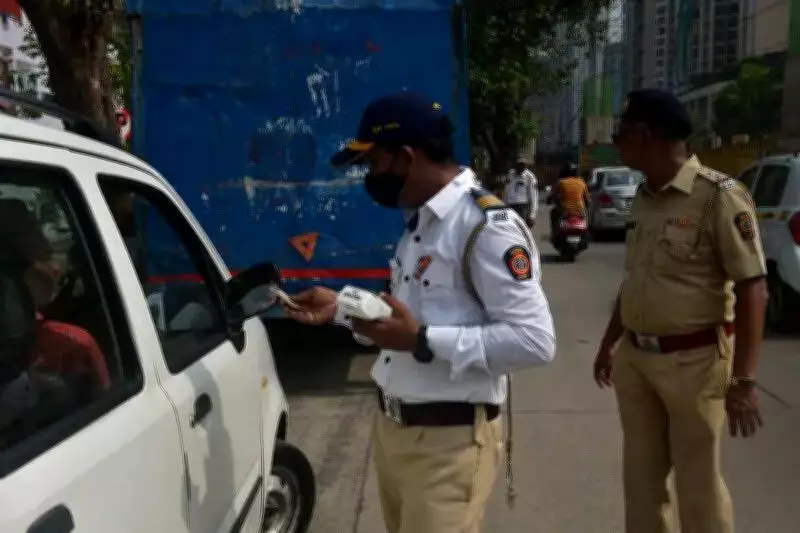
In response to escalating complaints about traffic police officers utilizing private mobile phones to issue e-challans for traffic violations, the Maharashtra state government has taken decisive action. On Wednesday, authorities announced the formation of a specialized study group tasked with evaluating and recommending technological solutions for e-challan collection and penal enforcement across the state.
Committee to Address Misuse and Enhance Revenue
The newly established 7-member committee is led by Manisha Mhaiskar, the Additional Chief Secretary (ACS) for Home. According to a government resolution (GR), this committee will conduct a comprehensive analysis of technology-based methods and penal sanctions employed in other countries and Indian states. Its primary objectives include making policy recommendations to the government and suggesting measures to ensure that e-challans are not misused by police personnel, all while aligning with the goal of increasing state revenue.
The study group is mandated to submit a detailed report within three months, outlining its findings and actionable recommendations. This initiative stems from discussions held during the Legislative Council's winter session in 2025, where concerns were raised about officers using private devices for e-challan issuance. Chief Minister Devendra Fadnavis assured the council that technology would be leveraged to track individuals for e-challan recovery and impose severe penalties for violations.

Background and Official Statements
An official statement highlighted that the committee will examine international and domestic practices to prevent misuse of e-challans by police, ensuring transparency and fairness. The formation of this senior-level study group was under active consideration to address these critical issues. Currently, traffic police regulations prohibit officers from using private mobile phones for recording violations; fines must be issued exclusively through official e-challan machines.
Motorists who receive incorrect fines, including those improperly recorded via personal devices, have recourse through the online Maharashtra E-Challan Grievance system, email submissions, or the MahaTrafficApp. Additionally, Chief Minister Fadnavis announced plans to equip Maharashtra traffic police with body-worn cameras (BWCs), similar to the Goa Police model, restricting challan issuance to officers using such authorized technology.
Implications and Future Steps
This move aims to modernize traffic enforcement, reduce corruption, and enhance public trust. By studying global best practices, the committee seeks to implement robust systems that balance revenue generation with ethical policing. The integration of body-worn cameras is expected to add an extra layer of accountability, ensuring that only verified officers can issue challans for rule violations.
As the committee begins its work, stakeholders anticipate significant reforms in how e-challans are managed, potentially setting a precedent for other states to follow. The focus remains on leveraging technology to create a more efficient and just traffic management system in Maharashtra.






