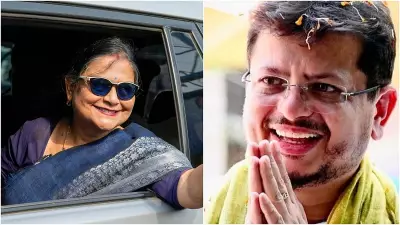
West Bengal Chief Minister Mamata Banerjee on Wednesday approached the Calcutta High Court, filing a petition challenging the outcome of the assembly election in the Bhabanipur constituency, where she faced a defeat earlier this year. The election, held in April 2026, saw Banerjee lose to her rival by a narrow margin, prompting her to seek judicial intervention.
Plea Filed Under Representation of the People Act
The petition, filed under Section 80 of the Representation of the People Act, 1951, alleges irregularities in the voting process and counting of votes. Banerjee's legal team argued that there were instances of voter suppression and manipulation of electronic voting machines, which affected the final result.
Background of the Case
Bhabanipur, a traditional stronghold of the Trinamool Congress (TMC), had been represented by Banerjee since 2011. In the 2026 assembly polls, she lost to BJP candidate Shubhendu Adhikari by a margin of approximately 2,500 votes. The TMC has maintained that the election was not free and fair, citing multiple complaints from polling agents.

The Calcutta High Court has issued notices to the Election Commission of India and the winning candidate, seeking their responses within two weeks. The court is expected to hear the matter further on July 10.
Political analysts view this move as a strategic effort by Banerjee to regain her political foothold in the state, as the Bhabanipur seat remains crucial for her legislative presence. If the court rules in her favor, a by-election may be ordered.
Meanwhile, the BJP has dismissed the petition as a desperate attempt to overturn the democratic verdict. State BJP president Sukanta Majumdar stated, "The people of Bhabanipur have spoken, and Mamata Banerjee should respect their decision."
The case highlights the ongoing political tensions in West Bengal, where the TMC and BJP have been locked in a fierce battle for dominance.