

Delhi Police Arrest Bihar Man for AI-Generated Images of PM Modi
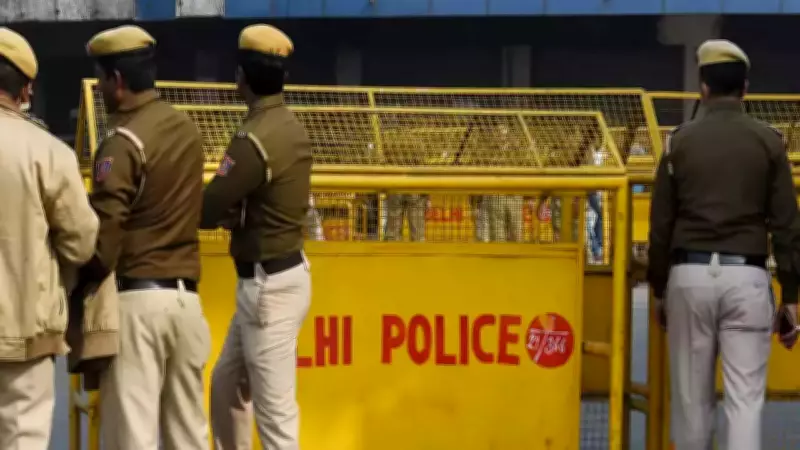
In a significant crackdown on digital misinformation, Delhi Police have apprehended a man from Bihar's Arwal district for allegedly posting objectionable AI-generated images of Prime Minister Narendra Modi on various social media platforms. The arrest was made on Saturday following a coordinated operation between Delhi Police and local authorities.
Joint Operation Leads to Arrest
The accused, identified as Siddhnath Kumar, was taken into custody from Maulanachak village in a joint effort by Delhi Police and their counterparts in Bihar. Kumar has since been transported to Delhi for further interrogation and legal proceedings. A formal case has been registered against him with the Special Cell in Lodhi Colony, marking a serious escalation in efforts to combat cybercrime targeting public figures.
AI Tools Used to Create Misleading Content
During the initial investigation, police discovered that Kumar allegedly utilized artificial intelligence (AI) tools to fabricate and disseminate offensive images of Prime Minister Modi. These manipulated visuals were posted from multiple social media accounts, significantly amplifying their reach and potential impact. Authorities suspect that the content was deliberately crafted and shared with the malicious intent of misleading the public and disrupting social harmony.

Additional Morphed Images Uncovered
In addition to the AI-generated images of the Prime Minister, the probe revealed that Kumar also circulated morphed photographs involving a woman BJP legislator and a prominent female leader from abroad. Police are currently examining the full extent of the content's circulation and the networks employed for its dissemination. This includes analyzing digital footprints to identify any accomplices or broader conspiracy elements.
Legal Charges Under BNS
Kumar has been formally charged under several sections of the Bharatiya Nyaya Sanhita (BNS), including:
- Section 336(4) for forgery related to digital content.
- Section 356 for defamation through false and damaging representations.
- Section 351(1) for criminal intimidation aimed at creating fear or unrest.
These charges underscore the legal severity of creating and spreading fabricated content, especially when it involves high-profile individuals and threatens public order.
Ongoing Investigation and Broader Implications
The investigation remains active, with police focusing on determining the full scope of Kumar's activities and any potential links to larger networks. This case highlights the growing challenges posed by AI technology in the realm of cybercrime and misinformation. It also reflects law enforcement's increasing vigilance in monitoring and acting against digital threats to national security and social stability.
As AI tools become more accessible, incidents like this emphasize the need for robust legal frameworks and public awareness to prevent the misuse of technology for harmful purposes. The arrest serves as a warning to those who might exploit digital platforms to spread falsehoods and manipulate public perception.






