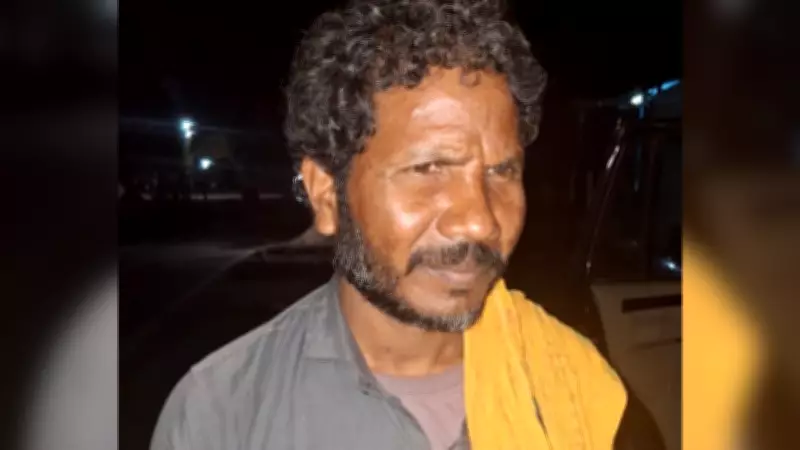
Maoist Commander Surrenders with AK-47 Rifle in Chhattisgarh's Kanker District
A divisional committee member of the banned Communist Party of India (Maoist), along with other cadres, surrendered to the Border Security Force in Chhattisgarh's Kanker district on Wednesday. This significant event occurred in the Bastar region, an area long affected by left-wing extremism.
Key Details of the Surrender
The Maoist commander, identified as Mallesh, was an active member of the organization's supply team. He arrived at a BSF camp in the Chhote Bethiya region accompanied by a group of villagers, where he formally expressed his willingness to join the mainstream and handed over an AK-47 rifle.
Security officials have described this development as a major breakthrough in ongoing efforts to stabilize the insurgency-affected area. While the surrender process has not yet been formally completed by police authorities, the initial steps represent a positive shift in the region's security landscape.
Community-Driven Outreach Efforts
Local social workers and two journalists active in the area played a crucial role in persuading the Maoist cadre to surrender. Sources familiar with the situation have characterized this as an example of "community-driven outreach" that effectively complements traditional security operations.
This collaborative approach between security forces and local stakeholders demonstrates how grassroots engagement can facilitate meaningful progress in conflict resolution.
Security Background and Current Status
Officials confirmed that Mallesh had been under surveillance by security forces prior to his surrender, indicating his significant position within the Maoist organization. The process of documentation and verification is currently underway as authorities work to formalize the surrender.
A BSF officer stated that the surrendered cadre will receive benefits under the government's rehabilitation policy, which includes:
- Support for social reintegration
- Livelihood assistance programs
- Other benefits as per established norms
Local Response and Future Implications
Villagers in the region have welcomed the surrender, expressing hope that such developments will:
- Reduce fear and insecurity in interior areas
- Pave the way for development activities
- Weaken Maoist influence in long-affected pockets
This surrender represents more than just an individual decision—it signals potential momentum in the broader effort to address left-wing extremism through a combination of security measures and community engagement strategies.