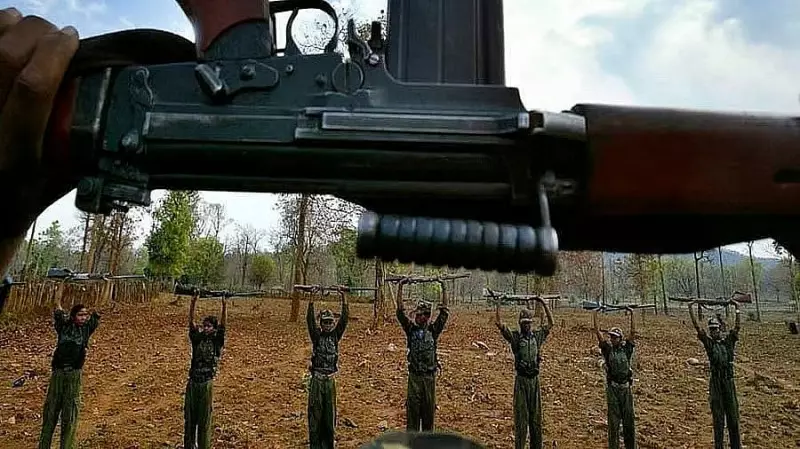
In a significant blow to left-wing extremism in Telangana, the fortified structure of the banned Maoist-backed People's Guerrilla Liberation Army (PGLA) has effectively crumbled. This collapse follows the dramatic surrender of the group's top-ranking commanders to the Cherla police, stripping the outfit of its core leadership and strategic direction.
The Surrender That Shattered the Core
The pivotal event unfolded on a recent Thursday at the Cherla police station in Bhadradri Kothagudem district. The individuals laying down their arms were no ordinary cadres; they were the very brain trust of the PGLA. Korasa Joga Rao, known by his alias Srikanth, served as the PGLA's State Committee Member and Secretary for the Khammam-Kothagudem divisional committee. His wife, Korasa Kamala (alias Swapna)Midiyam Bhagorao (alias Ravi), the Deputy Commander of the same armed squad.
This surrender did not occur in a vacuum. It was the culmination of a persistent and well-coordinated effort by the Telangana police's intelligence wing and local forces. Authorities had been actively engaging with the leaders, encouraging them to abandon the path of violence and reintegrate into mainstream society. The successful persuasion marks a major tactical and psychological victory for the state's counter-insurgency operations.
Unraveling the PGLA's Network and Activities
The PGLA, an offshoot and frontal organization of the banned Communist Party of India (Maoist), has been a persistent security challenge in the tribal and forested border regions of Telangana. The group primarily operated in the districts of Bhadradri Kothagudem, Mulugu, and parts of neighbouring Chhattisgarh. Their activities ranged from extortion and intimidation to orchestrating violent attacks against security forces and opposing political workers.
With the surrender of Srikanth, Swapna, and Ravi, the police have gained invaluable insights into the group's modus operandi. The trio was deeply involved in recruiting local youth, collecting funds through illegal means, and planning disruptive actions in the region. Their decision to quit the movement is expected to cause severe operational paralysis within the remaining PGLA network, as they were the key nodes connecting the senior Maoist leadership with ground-level operatives.
Implications and the Road Ahead for Security
The fallout from this surrender is multi-faceted and profound. Firstly, it delivers a devastating blow to the morale of the remaining PGLA cadres, who now find themselves leaderless and potentially isolated. Secondly, it provides the Telangana police with a golden opportunity to further dismantle the group's infrastructure, as the surrendered commanders are likely to reveal crucial information about hideouts, weapon caches, and future plans.
This event is being hailed as one of the most significant breakthroughs in recent years in the fight against Maoist influence in Telangana. It underscores the effectiveness of a strategy that combines firm police action with persuasive outreach aimed at rehabilitation. The state government has assured that the surrendered leaders will be rehabilitated in accordance with the existing surrender and rehabilitation policy, which includes financial assistance and support for starting a new life.
Security analysts suggest that the collapse of this PGLA fortress could lead to a lasting period of peace in the insurgency-affected pockets of the state, allowing for greater focus on development and welfare projects in these long-neglected areas. However, authorities remain vigilant, aware that the vacuum created might lead to internal strife or attempts at reorganization by remaining elements.