

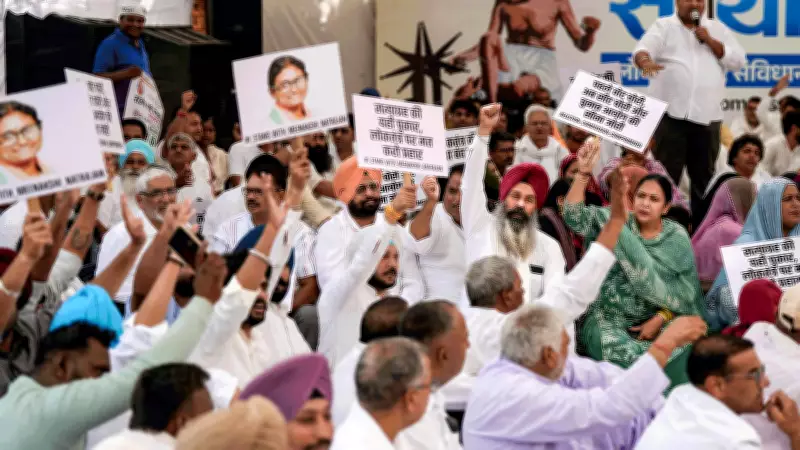
Congress leader Meenakshi Natarajan's exclusion from the Rajya Sabha contest in Madhya Pradesh has transcended a mere dispute over a nomination affidavit. It now raises a fundamental legal question: if a Returning Officer rejects a candidate's papers during an election, can courts step in immediately, or must the candidate wait until the process concludes?
The Affidavit Controversy
The controversy began when Natarajan's nomination was rejected by the Returning Officer on grounds of an alleged discrepancy in her affidavit. The Congress leader claimed the rejection was arbitrary and politically motivated, arguing that minor technical errors should not disqualify a candidate from the democratic process.
Legal Framework for Nomination Scrutiny
Under the Representation of the People Act, the Returning Officer has the authority to scrutinize nomination papers and reject those that do not comply with legal requirements. However, the law also provides for judicial review, but the timing of such intervention remains ambiguous.

Key Legal Question: Can courts entertain a challenge to a Returning Officer's decision before the election is completed, or must the candidate exhaust all election remedies first?
Precedents and Interpretations
Legal experts point to conflicting precedents. In some cases, courts have intervened promptly to ensure electoral fairness, while in others, they have deferred intervention until after the election to avoid disrupting the process.
- Immediate Intervention: Some judgments allow courts to step in if the rejection is patently illegal or mala fide.
- Post-Election Challenge: Other rulings emphasize that election disputes should be resolved after the process to maintain stability.
Implications for Democracy
Natarajan's case underscores the need for clearer guidelines on the role of judiciary during elections. Without timely intervention, candidates may be unfairly excluded, undermining democratic representation. Conversely, excessive judicial interference could lead to chaos in the electoral calendar.
The Congress leader has vowed to challenge the decision in higher courts, potentially setting a precedent for future election disputes. As the matter unfolds, it highlights the delicate balance between electoral authority and judicial oversight.






