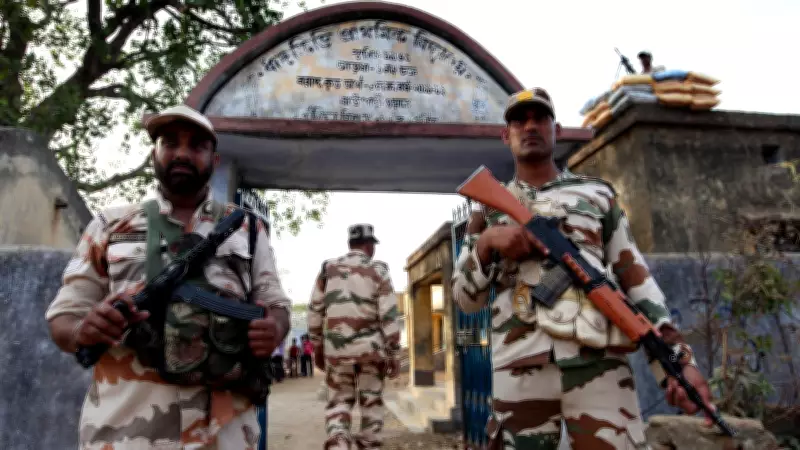
The Ministry of Home Affairs (MHA) has reiterated its call for immediate action from the heads of all six Central Armed Police Forces (CAPFs), urging them to submit comprehensive proposals for the long-awaited cadre review of Group-A officers. In a communication dated February 3, Under-Secretary Amit Kumar emphasized that this matter is of utmost priority and is currently under the consideration of the Supreme Court.
Background and Supreme Court Directive
This reminder follows a significant ruling by the Supreme Court in May 2025, which recognized CAPFs as organized services for all purposes and directed the Centre to conduct cadre reviews for Group-A officers. The move is aimed at addressing persistent issues such as career stagnation and structural imbalances within these paramilitary forces.
Details of the Communication
The letter was addressed to the directors general of the Border Security Force (BSF), Central Reserve Police Force (CRPF), Indo-Tibetan Border Police (ITBP), Sashastra Seema Bal (SSB), Central Industrial Security Force (CISF), and Assam Rifles. It noted that the ministry had not yet received responses to an earlier letter issued on December 26 of the previous year, underscoring the urgency of the situation.
The communication stated, "It may be noted that this matter involves the attention of Hon'ble Court and is of utmost priority. Hence, CAPFs are again requested to undertake a comprehensive review of their existing Group 'A' cadres and submit detailed cadre review proposals to the Ministry urgently."
Impact on Promotion Structure and Service Conditions
Currently, the MHA, as the cadre-controlling authority, reserves 20 percent of deputy inspector general (DIG) posts and 50 percent of inspector general (IG) posts for Indian Police Service (IPS) officers. The pending cadre review is expected to affect approximately 13,000 Group-A officers across the six forces, potentially bringing much-needed clarity to promotion pathways and service conditions.
Internal Perspectives and Expectations
Sources indicate that internal communications within the CRPF have highlighted the need for financial parity across all organized Group-A services and the rectification of disparities in rank progression between CAPF officers and other central services. Officials anticipate that the revised proposals will mark a significant administrative shift in India's paramilitary framework, fostering a more equitable and transparent system.
The revised proposals are expected to not only address long-standing concerns but also enhance the operational efficiency and morale of the forces by providing a clearer career trajectory for officers. This development is seen as a critical step towards modernizing the administrative structure of CAPFs in line with judicial directives and organizational needs.