

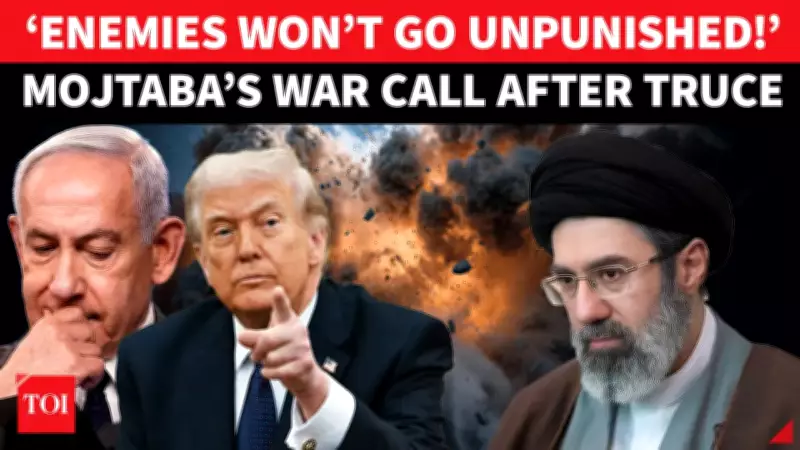
Iran's Supreme Leader Issues Stern Warning in First Address After US-Iran Ceasefire
In a chilling post-truce address, Iran's Supreme Leader Mojtaba Khamenei delivered a strong message, vowing that enemies "will not go unpunished" following the fragile ceasefire between Iran and the United States. The speech, marked by a firm and uncompromising tone, signaled Iran's intent to maintain a hardline stance despite the temporary pause in hostilities.
Key Points from Mojtaba Khamenei's Address
Mojtaba Khamenei emphasized several critical themes during his address, which came after the recent ceasefire agreement:
- Retribution for Attacks: He stressed that Iran would actively pursue accountability for any attacks against the nation, making it clear that adversaries would face consequences.
- Call for Unity: The Supreme Leader urged Iranians to remain united and actively participate in national affairs, highlighting the importance of public engagement even during periods of reduced conflict.
- Warning to Regional Actors: Khamenei issued a stern warning to regional countries, cautioning them against aligning with external powers, which he implied could destabilize the Middle East further.
Context of the Ceasefire and Regional Tensions
The address follows a delicate ceasefire between Iran and the United States, a development that has temporarily eased but not eliminated the underlying tensions in the region. Mojtaba Khamenei's words underscore Iran's determination to assert its sovereignty and resist foreign influence, particularly from Western nations.

Analysts note that this speech reflects Iran's strategy of projecting strength domestically and internationally, even as diplomatic efforts continue. The emphasis on public participation suggests an effort to bolster national morale and preparedness amid ongoing geopolitical challenges.
Implications for Middle East Stability
Mojtaba Khamenei's warning to regional actors against external alliances could have significant implications for Middle East dynamics. It may influence the foreign policies of neighboring countries, potentially complicating efforts to form broader coalitions or peace initiatives.
The Supreme Leader's vow that enemies "will pay" highlights the persistent threat of retaliation, which could escalate tensions if the ceasefire breaks down. This stance is consistent with Iran's historical approach to regional conflicts, where it often combines diplomatic pauses with military posturing.
Conclusion: A Firm Stance Amid Fragile Peace
Mojtaba Khamenei's first address after the US-Iran ceasefire serves as a stark reminder of the volatile nature of Middle East politics. By vowing retribution and warning against external alignments, he has reinforced Iran's commitment to a confrontational posture, even in times of truce. As the region watches closely, this speech sets the tone for future interactions, emphasizing that the path to lasting peace remains fraught with challenges and potential conflicts.






