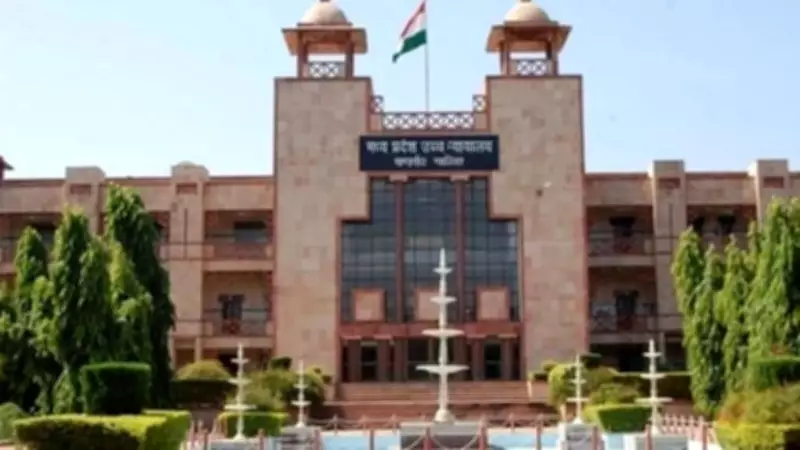
Madhya Pradesh High Court Transfers Bhojshala Dispute Case to Indore Bench for Hearing
The Madhya Pradesh High Court has made a significant procedural move by sending the contentious Bhojshala dispute case back to the Indore bench for further hearings. This decision comes amid ongoing legal battles over the religious and historical status of the Bhojshala site in Dhar district, which has been a focal point of Hindu-Muslim tensions for decades.
Background of the Bhojshala Legal Battle
The Bhojshala complex, located in Dhar, Madhya Pradesh, is claimed by Hindus as a temple dedicated to Goddess Saraswati and by Muslims as the Kamal Maula Mosque. The site has been under the protection of the Archaeological Survey of India (ASI) since 1952, with a court-mandated arrangement allowing Hindus to worship on Tuesdays and Muslims to offer prayers on Fridays. However, disputes over ownership and usage rights have led to numerous legal petitions and public protests over the years.
In recent developments, the Madhya Pradesh High Court had taken up the case for hearing, but has now decided to remand it to the Indore bench. This move is seen as a strategic step to ensure localized judicial oversight, given the bench's proximity to the site and its familiarity with regional issues. Legal experts suggest that this could streamline proceedings and potentially expedite a resolution, though the case remains complex due to its historical and emotional dimensions.
Implications of the Court's Decision
The transfer of the case to the Indore bench is expected to have several implications. Firstly, it may lead to more frequent and focused hearings, as the bench can dedicate specific time to this high-profile matter. Secondly, it underscores the court's intent to handle the dispute with sensitivity to local contexts, which could influence future rulings on similar religious site conflicts in India.
Stakeholders from both Hindu and Muslim communities have expressed mixed reactions. Some view the move as a positive step toward a fair hearing, while others worry it might delay a final verdict. The ASI's role in maintaining the site and its findings from past surveys are likely to be key factors in the upcoming proceedings.
Key Points from the Court Order:- The case has been sent back to the Indore bench for further hearings.
- This decision aims to facilitate localized judicial handling of the dispute.
- The Bhojshala site remains under ASI protection with shared worship rights.
- Legal experts anticipate that this could lead to more efficient proceedings.
Looking Ahead: What to Expect Next
As the case returns to the Indore bench, all eyes will be on the scheduling of hearings and the arguments presented by both sides. The bench is expected to review previous petitions, evidence, and ASI reports before making any interim or final decisions. Given the historical significance and communal sensitivities involved, the court's approach will be closely monitored by legal observers and the public alike.
This development highlights the ongoing challenges in resolving religious site disputes in India, where legal, historical, and social factors often intertwine. The outcome of this case could set a precedent for how similar conflicts are managed in the future, emphasizing the need for balanced and evidence-based judicial processes.