

Inside Mysuru's Model Correctional Facility: A Dual Reality of Hope and Hardship
In a recent investigative visit, journalist Shilpa P delved into the model correctional facility located in Mysuru, Karnataka, uncovering a multifaceted ecosystem that starkly contrasts the promise of rehabilitation with the inherent despair of confinement. This facility, often hailed as a benchmark for prison reform in the region, presents a complex narrative where efforts to transform inmates clash with the unyielding nature of incarceration.
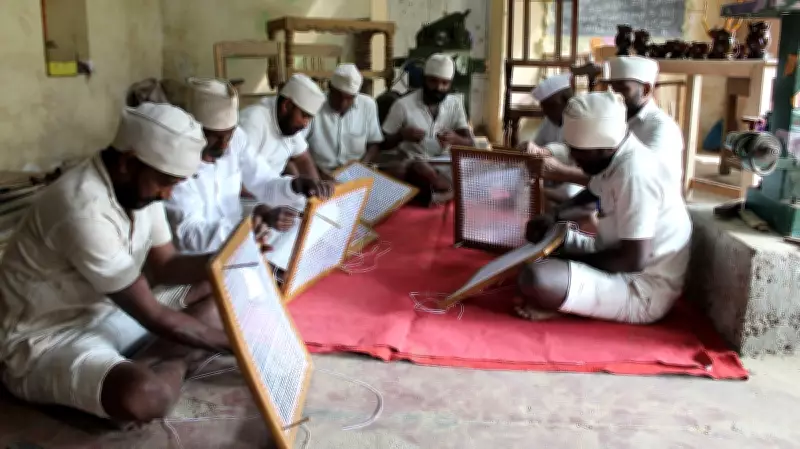
The Promise of Rehabilitation: Structured Programs and Skill Development
The Mysuru prison has implemented a range of innovative programs aimed at fostering rehabilitation among its inmates. These initiatives include:
- Vocational training workshops that equip prisoners with practical skills such as carpentry, tailoring, and computer literacy, enhancing their employability upon release.
- Educational courses in collaboration with local institutions, offering inmates opportunities to pursue academic qualifications and personal growth.
- Counseling and mental health support services designed to address psychological issues and promote emotional well-being, crucial for successful reintegration into society.
According to Shilpa P's observations, these programs are meticulously structured, with dedicated staff working to create a supportive environment. Inmates participate actively, showing enthusiasm for learning and self-improvement, which underscores the facility's commitment to reducing recidivism rates.

The Despair of Confinement: Challenges and Limitations
Despite these rehabilitation efforts, the prison is not immune to the grim realities of confinement. Shilpa P noted several challenges that persist within the ecosystem:
- Overcrowding issues that strain resources and limit the effectiveness of rehabilitation programs, as facilities struggle to accommodate a growing inmate population.
- Psychological toll of incarceration, with many inmates experiencing feelings of isolation, anxiety, and hopelessness, exacerbated by long sentences and limited social interactions.
- Systemic barriers such as bureaucratic delays and funding constraints that hinder the implementation of more comprehensive reform measures.
The despair is palpable in certain sections of the prison, where the harsh conditions of confinement overshadow the rehabilitation initiatives. Inmates often face stigma and difficulties in transitioning back to society, highlighting the ongoing struggle between reform ideals and practical limitations.
A Nuanced Perspective: Balancing Reform with Reality
Shilpa P's visit reveals that the Mysuru correctional facility operates as a microcosm of broader prison reform debates. On one hand, it showcases progressive steps towards rehabilitation, with success stories of inmates who have turned their lives around through the available programs. On the other hand, it underscores the persistent challenges that plague correctional systems worldwide, including resource shortages and societal prejudices.
The facility's approach emphasizes a holistic model, integrating education, skill development, and psychological support to address the root causes of criminal behavior. However, as Shilpa P concludes, true reform requires sustained efforts from both authorities and the community to overcome the deep-seated issues of confinement and ensure that rehabilitation is not just a promise but a tangible reality for all inmates.






