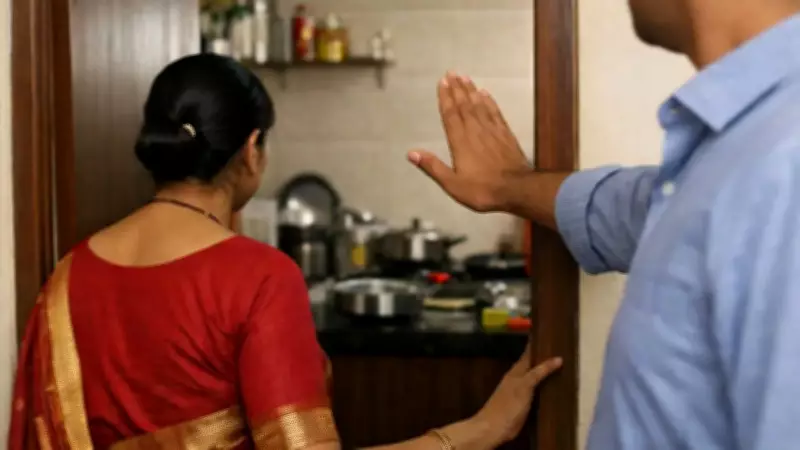
Nagpur High Court: Preventing Wife from Entering Kitchen Amounts to Mental Cruelty Under Section 498A
In a significant ruling that expands the interpretation of cruelty in matrimonial disputes, the Nagpur Bench of the Bombay High Court has held that preventing a wife from entering the kitchen of her matrimonial home constitutes mental cruelty under Section 498A of the Indian Penal Code. The court refused to quash an FIR registered against the husband while granting relief to his mother, highlighting the need for specific allegations in such cases.
Court's Detailed Observations on Kitchen Ban and Mental Harassment
Justice Urmila Joshi-Phalke, in a recent order, found that the allegations against the Nagpur-based husband disclosed a prima facie case of cruelty, while those against the mother-in-law were vague and nonspecific. The court explicitly stated, "She was even not allowed to enter into the kitchen, and she was asked to bring the food from outside," adding that such conduct was sufficient at this stage to infer mental cruelty.
The case originated from a complaint filed by a woman in Akola, who alleged systematic harassment following her marriage on November 29, 2022. According to her complaint:

- Her husband frequently quarreled with her and restricted her movements
- She was prevented from visiting her parental home
- She was barred from cooking and forced to procure food from outside
- She was subjected to humiliation, including having her belongings thrown out
- She was pressured to seek divorce against her will
Legal Arguments and Court's Verdict on Specific Allegations
Challenging the FIR, the husband argued that the complaint was filed as a "counterblast" to his divorce petition and contained only general allegations. The prosecution and the complainant strongly opposed this plea, maintaining that the accusations clearly established mental cruelty through specific instances of harassment.
The court agreed with the prosecution, observing that the allegations against the husband were specific and indicative of wilful conduct causing mental harm. At the same time, it noted, "There is general, omnibus and fake allegations only because she is mother-in-law of the complainant wife," and consequently quashed proceedings against her.
Legal Framework and Interpretation of Section 498A
Explaining the legal framework, the court reiterated that cruelty under Section 498A includes "any wilful conduct... likely to drive the woman to commit suicide or to cause grave injury or danger to life, limb or health." The judgment emphasized that mental harassment and coercive conduct constitute cruelty, not just physical abuse.
Partly allowing the husband's application, the court permitted prosecution against the husband to continue, while setting aside the FIR and related proceedings against the mother-in-law. This nuanced approach demonstrates the judiciary's careful balancing of protecting women from genuine harassment while preventing misuse of legal provisions.
Key Legal Precedents and Implications of the Judgment
The Nagpur High Court's ruling establishes several important legal principles:
- FIR against husband upheld as court finds specific and credible allegations of mental cruelty
- Proceedings quashed against mother-in-law due to lack of concrete evidence and vague accusations
- Rejects husband's claim that complaint was retaliatory to divorce proceedings without substantial proof
- Observes cruelty includes mental harassment and coercive conduct, expanding beyond just physical abuse
- Emphasises need for specific allegations to sustain criminal charges in matrimonial disputes
- Highlights judicial requirement for specific allegations against each accused in family disputes
This judgment serves as an important precedent for similar cases across India, clarifying that seemingly minor restrictions like kitchen bans can constitute serious mental cruelty under matrimonial law. The court's distinction between specific allegations against the husband and vague accusations against the mother-in-law provides valuable guidance for both complainants and accused in domestic violence cases.