

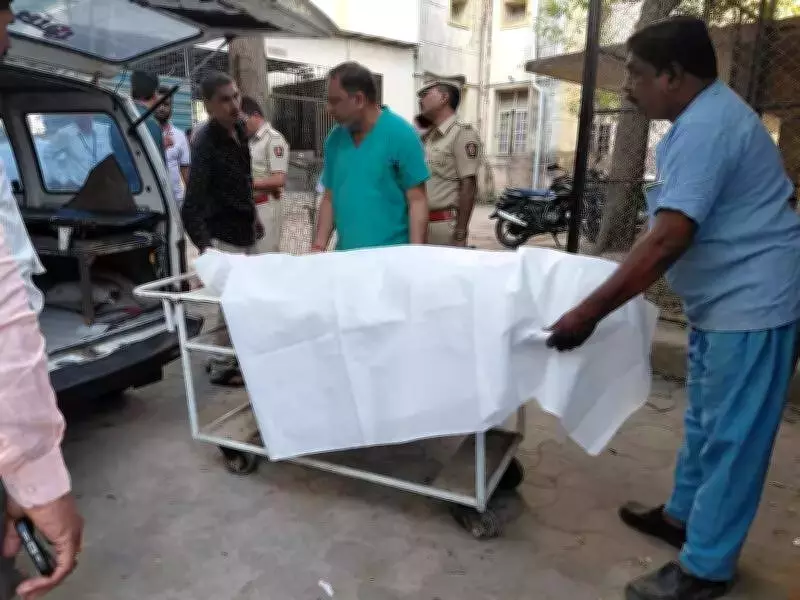
Nagpur: Forensic Team Achieves Breakthrough in Blast Victim Identification
In a remarkable display of efficiency and dedication, the Regional Forensic Science Laboratory (RFSL) in Nagpur has successfully identified all 19 victims of a catastrophic explosion at an ammunition factory in Raulgaon village, Kalmeshwar tehsil. The team accomplished this critical task within an unprecedented timeframe of just 23 hours, bringing much-needed closure to grieving families who had endured an agonizing wait outside the Government Medical College and Hospital (GMCH) mortuary.
The Devastating Incident and Forensic Challenge
The tragedy unfolded around 7 am on March 1 when a massive explosion ripped through the high-risk Nonel crimping and packing section of the ammunition manufacturing unit. The blast claimed 19 lives—many of them women—and left over 20 others injured, some in critical condition. The victims' bodies were severely mutilated, charred, and fragmented, making visual identification completely impossible and necessitating advanced DNA matching techniques.
As mourning relatives gathered outside the GMCH mortuary, uncertain about the fate of their loved ones, a dedicated five-member RFSL DNA team sprang into action. Led by director Dr. Vijay Thakare and deputy director Ashwin Gedam, the team was mobilized immediately following the incident.

Round-the-Clock Forensic Effort
The forensic operation began at 6 pm on Sunday when scientific officers rushed to GMCH to collect DNA samples from the remains. Working tirelessly through the night, the team completed their analysis by 5 pm on Monday—achieving what many considered impossible under such challenging circumstances.
"We waited in agony, unsure who was who," one relative recounted. "Now we can finally mourn and perform the last rites with dignity."
With district collector Dr. Vipin Itankar camping at GMCH alongside dean Dr. Raj Gajbhiye, constant follow-ups ensured the RFSL team received all necessary support to expedite their work. The identification reports were swiftly delivered to mortuary staff, who then matched DNA profiles, reassembled remains where feasible, and prepared the bodies for respectful handover to families.
Comprehensive Forensic Investigation
While the DNA team focused on victim identification, parallel forensic investigations continued simultaneously. A five-member toxicology team analyzed viscera to exclude factors such as intoxication from alcohol or other substances, while a three-member explosives unit examined detonation triggers, including involved chemicals and detonators. Detailed reports from these investigations are anticipated by Wednesday, according to sources.
Forensic teams had earlier been deployed to the blast site for evidence collection, supported by a mobile forensic van. At GMCH, Dr. Anindya Mukherjee's forensic unit worked relentlessly for 17 straight hours to embalm fragmented remains and prepare them for dignified return to families.
Unprecedented Turnaround Brings Solace
This unprecedented forensic achievement—from sample collection to complete identification in under 24 hours—brought immense relief to families who had maintained a painful vigil outside the mortuary since Sunday. The successful identification allowed relatives to finally return to their respective villages with the mortal remains to perform last rites according to their traditions.
The RFSL team's refusal to rest until every victim was identified exemplifies professional dedication at its highest level, transforming what could have been weeks of uncertainty into a matter of hours for grieving families seeking closure amid unimaginable tragedy.






