

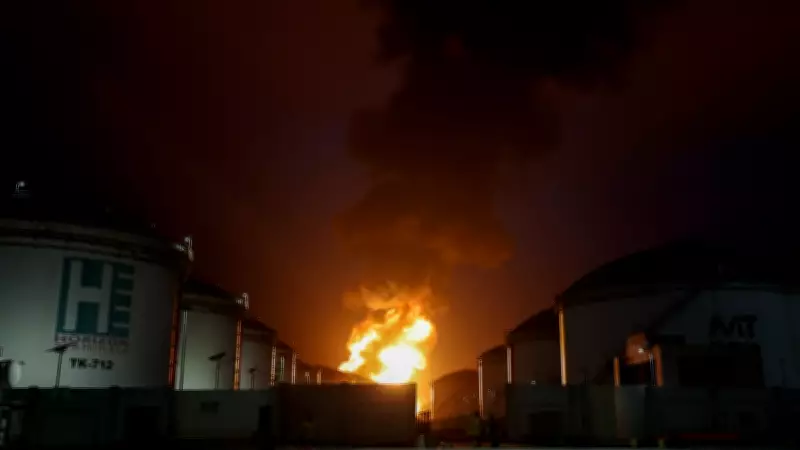
US-Israel-Iran Conflict Intensifies with Drone and Missile Strikes Across Middle East
The geopolitical landscape of the Middle East has been dramatically reshaped as escalating hostilities between the United States, Israel, and Iran have erupted into a series of drone and missile attacks, sending shockwaves across the region and beyond. This conflict, which has been simmering for years, has now reached a critical boiling point, with reports of explosions and military engagements affecting key nations such as the United Arab Emirates, Kuwait, and Saudi Arabia. The situation remains fluid and highly volatile, with global leaders closely monitoring developments that could have far-reaching consequences for international security and stability.
Drone and Missile Attacks Target Multiple Middle Eastern Nations
In a significant escalation of violence, drone and missile strikes have been reported across several Middle Eastern countries, marking a dangerous expansion of the conflict beyond traditional battlegrounds. The United Arab Emirates, Kuwait, and Saudi Arabia have all been impacted by these attacks, which have caused explosions and raised alarms about civilian safety and infrastructure damage. These incidents underscore the growing capability of non-state actors and regional powers to project force across borders, using advanced technologies like drones to bypass conventional defenses. The attacks have not only disrupted daily life but also heightened fears of a broader regional war that could draw in more countries and destabilize global energy markets.
Political Dynamics: Trump, Netanyahu, and Regional Alliances
The conflict is deeply intertwined with complex political dynamics involving key figures such as former US President Donald Trump and Israeli Prime Minister Benjamin Netanyahu. Their policies and actions have historically influenced the tensions between the US, Israel, and Iran, with recent developments exacerbating these rivalries. Trump's administration, for instance, took a hardline stance against Iran, withdrawing from the nuclear deal and imposing sanctions, while Netanyahu has consistently advocated for aggressive measures to counter Iranian influence in the region. These political maneuvers have set the stage for the current crisis, as alliances shift and regional powers like the UAE and Saudi Arabia navigate their relationships with both the US and Iran, often walking a tightrope between security concerns and economic interests.

As the conflict intensifies, air travel across the Middle East has been severely disrupted, with flights being canceled or rerouted due to safety concerns. Airlines operating in and out of affected regions, including the UAE, Kuwait, and Saudi Arabia, are facing significant challenges, leading to widespread travel chaos for passengers. Authorities have issued advisories urging caution and recommending that travelers stay informed about flight status updates. This disruption highlights the broader economic and logistical impacts of the conflict, as it not only threatens human lives but also hampers international commerce and tourism, potentially costing billions in losses and further straining already fragile regional economies.
Global Implications and Future OutlookThe escalating US-Israel-Iran conflict poses serious risks to global peace and security, with potential spillover effects that could involve other nations and trigger a larger-scale confrontation. The use of drones and missiles in these attacks represents a new era of warfare, where asymmetric tactics can challenge even the most advanced military powers. As the world watches, diplomatic efforts are underway to de-escalate tensions, but the path to resolution remains uncertain. The involvement of major global players and the strategic importance of the Middle East mean that this conflict could redefine international relations for years to come, making it a critical issue for policymakers and citizens alike to monitor closely.






