Nashik Police Intensify Crackdown on Reckless Parking Violations
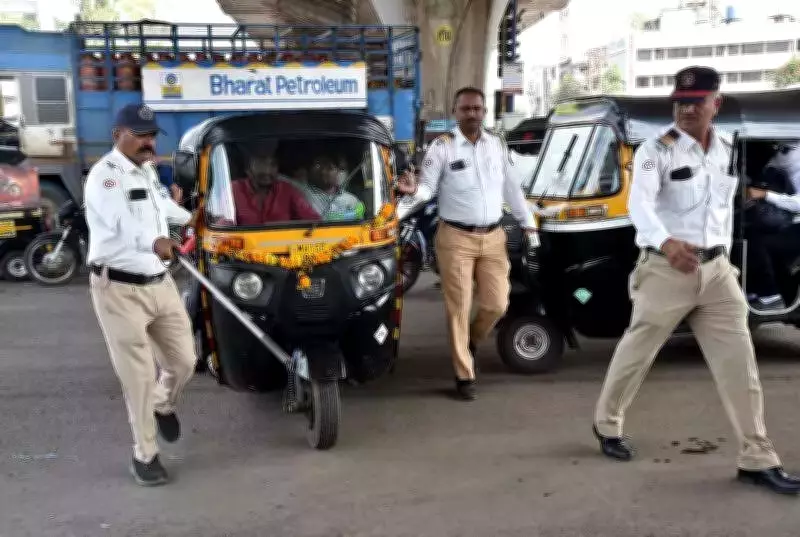
The Nashik city police have launched a stringent enforcement drive against irresponsible parking practices that disrupt urban mobility and compromise public safety. In a significant move, authorities have registered cases against at least 69 motorists, including autorickshaw drivers, goods carriers, and private vehicle owners, for carelessly parking their vehicles on public roads. This action aims to curb the growing menace of traffic obstruction and the associated risks to pedestrians and commuters.
Legal Action Under Bharatiya Nyaya Sanhita
The motorists have been booked under Section 285 of the Bharatiya Nyaya Sanhita (BNS), marking a firm stance against traffic violations. A senior Nashik city police officer highlighted the rationale behind this initiative, stating, "Many motorists park their vehicles in the middle of the road, claiming they will return in under two minutes. This not only forces others to wait unnecessarily but also contributes to traffic jams and sometimes accidents when vehicles attempt to change lanes. Hence, we have started registering FIRs to address this issue effectively."
City-Wide Enforcement and Offender Profile
The crackdown has been implemented across various parts of Nashik, demonstrating a comprehensive approach to traffic management. The officer elaborated, "These cases aren't limited to congested localities. Our patrolling teams have also registered offences whenever they found vehicles blocking lanes and restricting movement, ensuring that no area is overlooked."
Regarding the types of vehicles involved, the officer noted that while autorickshaw drivers constituted a significant portion of the offenders, the enforcement also targeted drivers of pickup vans, delivery vehicles, and private cars penalized for improper parking. This diverse range of violators underscores the widespread nature of the problem.
FIR Process and Its Impact
The officer explained the procedural differences between issuing a challan and filing an FIR, emphasizing the latter's deterrent effect. "Although filing an FIR increases the workload for the police, it is necessary to enforce discipline on the roads. A challan issued online is easier and ensures the offender pays a penalty. But an FIR involves filing a chargesheet within a couple of days and sending the case to court. The vehicle owner and driver are then summoned for a hearing. If they admit their mistake, the court imposes a fine; otherwise, they can challenge the case, which means hiring a lawyer," the officer detailed.
This rigorous process, the officer added, serves a dual purpose: it makes violators understand the value of time and responsibility, while also encouraging them to spread awareness among others. "Such measures help build greater public awareness about the importance of adhering to traffic rules and fostering a safer commuting environment for all," the officer concluded.