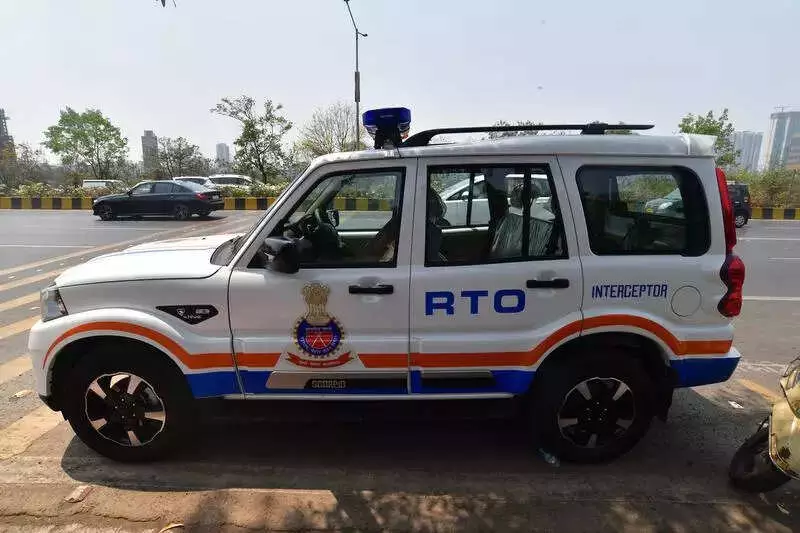
In a significant move to enhance road safety and enforce traffic discipline, the Nashik Regional Transport Office (RTO) has introduced three advanced interceptor vehicles. These vehicles are fitted with a sophisticated Mobile Tracking Enforcement System (MTES) designed to automatically detect and penalize traffic violations across the district.
Strategic Deployment at Key Locations
The three new interceptor vehicles have been strategically stationed at high-traffic and accident-prone zones. One vehicle is positioned near KK Wagh College, another on the Wadivarhe-Jain Temple stretch of the crucial Mumbai-Agra Highway, and the third close to the Shinde Toll Plaza on the busy Nashik-Pune Highway. This deployment aims to maximize surveillance on both highways and internal city roads.
How the MTES Technology Works
The core of this initiative is the MTES radar system. Deputy RTO Rajashree Gund explained that this automated system can identify four major types of violations without manual intervention. The system will issue online challans directly to violators based on its electronic findings. The primary offences targeted include:

- Over-speeding, a leading cause of accidents on highways and city roads.
- Riding without a helmet or failing to wear seat belts (for both drivers and co-passengers).
- Triple-seat riding on two-wheelers.
- Using registration number plates that do not meet the prescribed legal standards.
Beyond Automation: Document Verification
While the MTES handles automated detection, RTO officials will also use these interceptor vehicles for manual checks. As stated by Deputy RTO Gund, officials will verify whether motorists are carrying all mandatory documents. This includes valid driving licences, vehicle registration papers, insurance certificates, and other required paperwork. This dual approach of technology and physical inspection aims to create a comprehensive enforcement net.
The introduction of these high-tech interceptors marks a shift towards stricter, evidence-based enforcement in Nashik district. By focusing on accident-prone spots and common violations, the RTO hopes this tech-driven crackdown will act as a strong deterrent, ultimately leading to safer roads for all commuters.