Nepal Ex-PM's Supporters Continue Street Protests Against Arrest, But Participation Diminishing
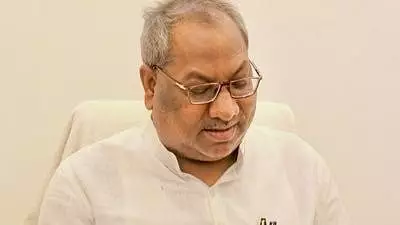
In Kathmandu, supporters of Nepal's former Prime Minister KP Sharma Oli have persisted in hitting the streets to protest his recent arrest, though the scale of participation has notably diminished. The demonstrations, which began shortly after Oli's detention, have entered a new phase with reduced turnout but continued fervor among core activists.
Background of the Arrest and Initial Protests
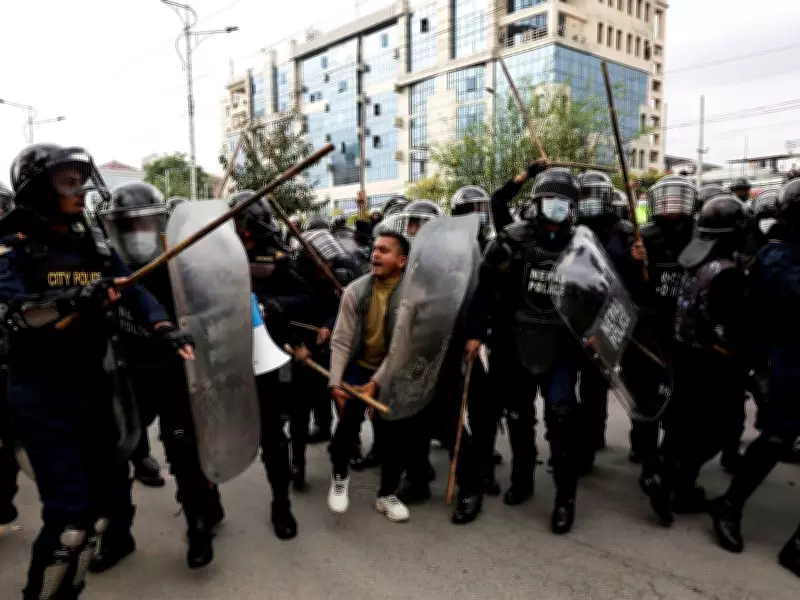
KP Sharma Oli, a prominent political figure and former head of government, was arrested on charges related to alleged corruption and misuse of authority during his tenure. The arrest sparked immediate outrage among his loyalists, who view it as a politically motivated move by the current administration to sideline opposition. Initially, thousands took to the streets in Kathmandu and other major cities, chanting slogans and demanding his immediate release.
The protests were characterized by large gatherings, road blockades, and clashes with law enforcement, leading to temporary disruptions in daily life. However, as the days have passed, the number of participants has steadily decreased, with only a few hundred hardcore supporters now regularly attending the rallies.

Factors Contributing to the Decline in Participation
Several factors are believed to be behind the waning participation in the protests. First, the prolonged nature of the demonstrations has led to protest fatigue among some supporters, especially those with work or family commitments. Second, the government's firm stance and increased security measures have deterred casual participants, who fear legal repercussions or violence.
Additionally, internal divisions within Oli's political party may have played a role, with some members advocating for a more strategic, less confrontational approach to secure his release. Economic concerns, such as the impact of protests on local businesses and livelihoods, have also likely contributed to the reduced turnout.
Current State of the Protests and Future Outlook
Despite the decline in numbers, the protests continue daily in key areas of Kathmandu, with organizers vowing to sustain the movement until Oli is freed. The demonstrations have shifted to more symbolic actions, such as silent marches and candlelight vigils, in an effort to maintain momentum without escalating tensions.
Analysts suggest that the diminishing participation could signal a turning point, where the protests may either fizzle out or evolve into a more organized, long-term campaign. The government has remained largely silent on the matter, focusing on legal proceedings, while international observers monitor the situation for potential human rights concerns.
In summary, while the street protests against former Prime Minister KP Sharma Oli's arrest persist in Nepal, the participation has significantly diminished due to various socio-political factors. The future of the movement remains uncertain, but it continues to highlight the deep political divisions within the country.