

Nepal Announces Publication of High-Level Gen-Z Protest Report Following Leak
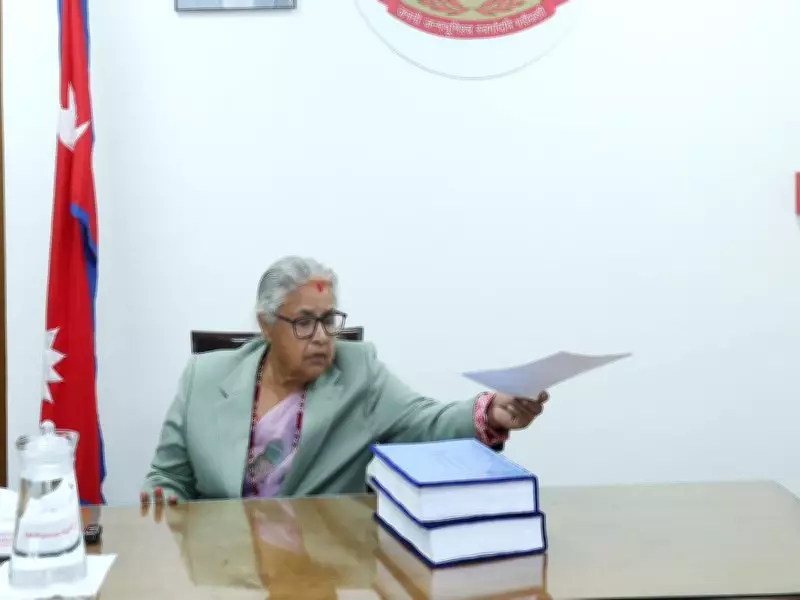
The Office of the Prime Minister in Nepal has declared that the high-level investigation report into the Gen-Z protests of September 8 and 9, 2025, will be officially published after it was leaked to the public. Interim Prime Minister Sushila Karki made this decision in response to the unauthorized disclosure, aiming to ensure transparency and accountability regarding the violent incidents that shook the nation.
Details of the Leaked Report and Key Findings
The 907-page document, led by former Justice Gauri Bahadur Karki, provides a comprehensive analysis of the events. It includes detailed accounts from the Nepal Police, Nepali Army, and protesters, highlighting significant failures in security coordination and response. According to the report, the protests, which began peacefully at Maitighar Mandala, escalated into violence as demonstrators entered Parliament premises, committing arson and vandalism.
Police Inspector Samunnat Adhikari, commander of the Central Special Task Force (STF), stated in his testimony that security forces used tear gas and aerial firing in an attempt to control the situation. However, on September 9, the chaos intensified, with 40,000 litres of diesel, barracks, and other critical infrastructure destroyed. Adhikari emphasized coordination issues between the Nepal Police, Armed Police Force, and Nepali Army, which severely impacted morale and effectiveness.

Political and Security Accountability Under Scrutiny
The report records statements from key political figures, revealing a lack of direct accountability. Then-Home Minister Ramesh Lekhak denied issuing orders for police to use lethal force, stating that officers acted based on their discretion. He acknowledged weaknesses in the state security system and limited dialogue with youth, taking responsibility for gaps during his tenure.
Former Prime Minister KP Sharma Oli asserted that the Prime Minister is not directly accountable for the incidents, as responsibility lies with the Home Ministry. He claimed that groups deliberately incited violence, suggesting a planned provocation. Additionally, Rastriya Swatantra Party Senior Leader Balendra Shah (Balen) stated he supported the peaceful rally but was not involved in the protest itself, placing full responsibility on the then-government and participating parties.
Security Failures and Systemic Weaknesses Exposed
The commission identified critical lapses in security coordination and decision-making. It noted that the Nepali Army's role was ineffective due to delays in mobilization, despite constitutional provisions allowing deployment after National Security Council recommendations. The report highlighted that the army was only deployed in a limited capacity after the situation worsened, and its inactivity on September 9 led to widespread arson, looting, and vandalism across sensitive areas like Singha Durbar and the Presidential residence.
Furthermore, the commission pointed out that the National Security Council's failure to declare a state of emergency on September 8 was a major weakness. Intermittent curfew enforcement allowed protesters to regroup, exacerbating the violence. The report also mentioned that spent ammunition and shells from clashes at Baneshwar were not preserved as evidence, possibly due to police concerns about liability.
Prison Break Incident and Broader Implications
Satyaram Joshi, jailer at Nakkhu Prison, reported that Rabi Lamichhane, imprisoned for cooperative fraud, escaped on September 9, 2025, during the chaos. This triggered a mass breakout of 667 prisoners, with only 409 returning, causing approximately Rs 4.5 million in damages. Joshi attributed this to external crowd violence and internal inmate protests.
Recommendations for Future Security Enhancements
The commission has proposed several measures to prevent similar incidents, including:

- Amending laws to clarify army mobilization procedures.
- Implementing regular security system audits and stronger protection of sensitive areas.
- Enhancing coordination among security agencies through specialized training and technical equipment.
- Conducting periodic parliamentary discussions on National Security Council reports.
These recommendations aim to address the systemic gaps that contributed to the extensive damage and loss during the Gen-Z protests, ensuring better preparedness for future crises.





