

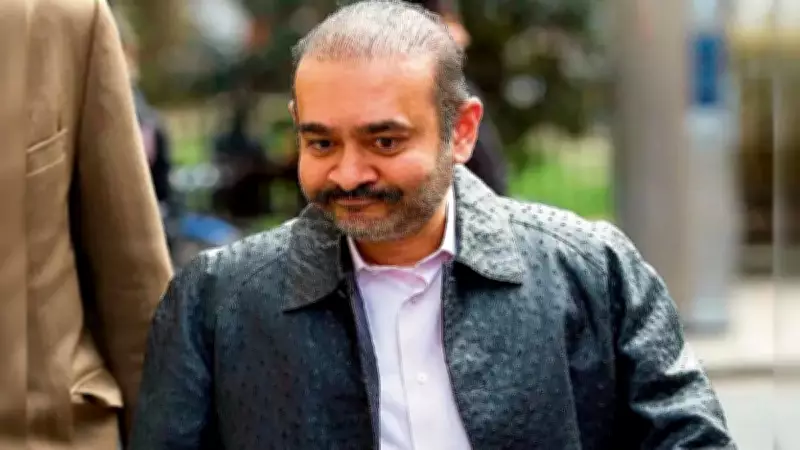
London Court Dismisses Nirav Modi's Petition to Reopen Extradition Case
A London court has firmly rejected a petition filed by fugitive diamond merchant Nirav Modi, seeking to reopen his extradition case to India. This decision upholds the earlier ruling that approved his extradition to face serious fraud and money laundering charges in his home country.
Background of the Case
Nirav Modi, a key figure in the Punjab National Bank (PNB) fraud scandal, fled India in 2018 after allegations surfaced that he and his associates defrauded the bank of approximately $2 billion. The scandal, one of India's largest banking frauds, involved the issuance of fraudulent letters of undertaking (LoUs) over several years. Modi was arrested in London in March 2019 and has been fighting extradition ever since.
Court's Decision and Legal Proceedings
The London court, in its recent ruling, stated that Modi's arguments for reopening the case were insufficient and lacked merit. The judge emphasized that the original extradition order, issued in 2021, was based on substantial evidence and complied with all legal standards. The court noted:

- The evidence presented by Indian authorities was credible and met the threshold for extradition.
- Modi's claims of political persecution and unfair trial in India were unsubstantiated.
- There were no new grounds or legal errors that warranted a review of the case.
This rejection marks a significant setback for Modi's legal team, which has been exploring various avenues to delay or prevent his extradition. The case has been closely watched in both India and the United Kingdom, highlighting international cooperation in tackling financial crimes.
Implications and Next Steps
With this petition dismissed, Nirav Modi's extradition to India is now one step closer to becoming a reality. However, legal experts point out that he may still have options, such as:
- Filing an appeal to a higher court in the UK, though this is considered unlikely to succeed given the strong reasoning in the latest ruling.
- Seeking intervention based on human rights concerns, though previous attempts on these grounds have been rejected.
The Indian government has welcomed the court's decision, reiterating its commitment to bringing economic offenders to justice. Authorities in India are prepared to proceed with the trial once Modi is extradited, which could involve charges under the Prevention of Money Laundering Act (PMLA) and other relevant laws.
Global Context and Public Reaction
This case is part of a broader trend where countries are increasingly collaborating to combat cross-border financial fraud. The rejection of Modi's petition sends a strong message to other fugitives that legal systems are resilient and will uphold justice. In India, the public and media have largely supported the court's decision, viewing it as a victory in the fight against corruption and white-collar crime.
As the legal process continues, all eyes will be on the timeline for Modi's potential extradition and the subsequent trial in India. This development underscores the importance of robust international legal frameworks in addressing complex financial crimes that span multiple jurisdictions.






