

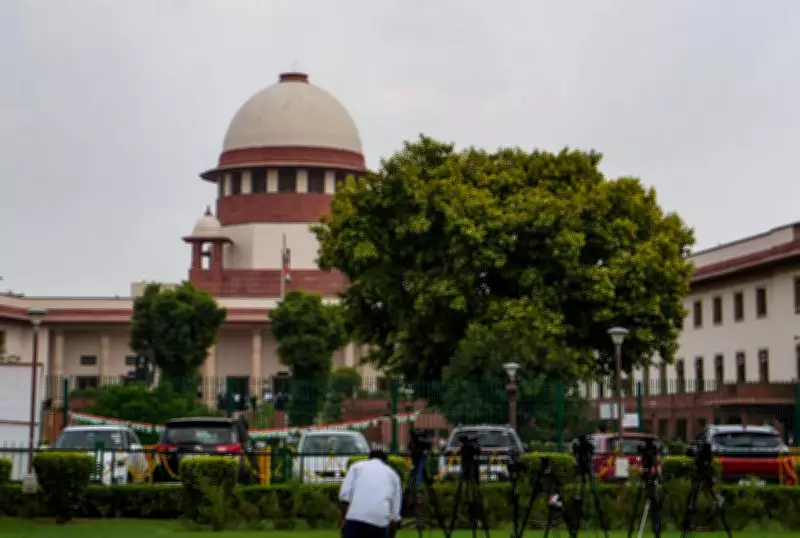
The Supreme Court of India has clarified that there is no legislative vacuum when it comes to hate speeches, emphasizing that existing laws are sufficient to address the issue. The court made this observation while hearing a petition seeking guidelines to curb hate speeches. A bench comprising Justices Sanjiv Khanna and Dipankar Datta stated that the problem lies not in the lack of laws but in their effective implementation. The court noted that various provisions under the Indian Penal Code, including Sections 153A, 153B, and 505, along with the Representation of the People Act, provide adequate legal framework to deal with hate speech.
Court's Observation on Implementation
The bench highlighted that the authorities must take proactive steps to enforce these laws. It remarked that the police and other law enforcement agencies should act swiftly when hate speech incidents occur. The court also expressed concern over the rising instances of hate speeches, especially during election campaigns, and stressed the need for a robust mechanism to ensure accountability.
Petitioner's Arguments
The petitioner, a social activist, had argued that despite the existence of laws, hate speeches continue to be made with impunity. The petitioner sought directions from the court to the central and state governments to implement the laws strictly. The court, however, refrained from issuing new guidelines, stating that the existing legal provisions are comprehensive enough to tackle the menace.

Government's Stand
The central government, represented by the Solicitor General, submitted that it is committed to curbing hate speech and has issued advisories to states from time to time. The government also informed the court about the steps taken to sensitize law enforcement agencies. The court appreciated the government's efforts but urged for more stringent action.
Need for Strict Enforcement
The Supreme Court emphasized that hate speech poses a serious threat to the country's social fabric and national integrity. It observed that tolerance and mutual respect are essential for a democratic society. The court directed that all complaints related to hate speech be registered promptly and investigated without delay. It also called for the use of technology to monitor and track hate speech cases.
Role of Media and Civil Society
The court also underscored the role of media and civil society in promoting harmony and discouraging hate speech. It suggested that media should exercise restraint and avoid sensationalizing such incidents. Civil society organizations were encouraged to create awareness about the legal consequences of hate speech.
The matter has been adjourned for further hearing, with the court expecting a compliance report from the government on the steps taken to implement the existing laws effectively.






