

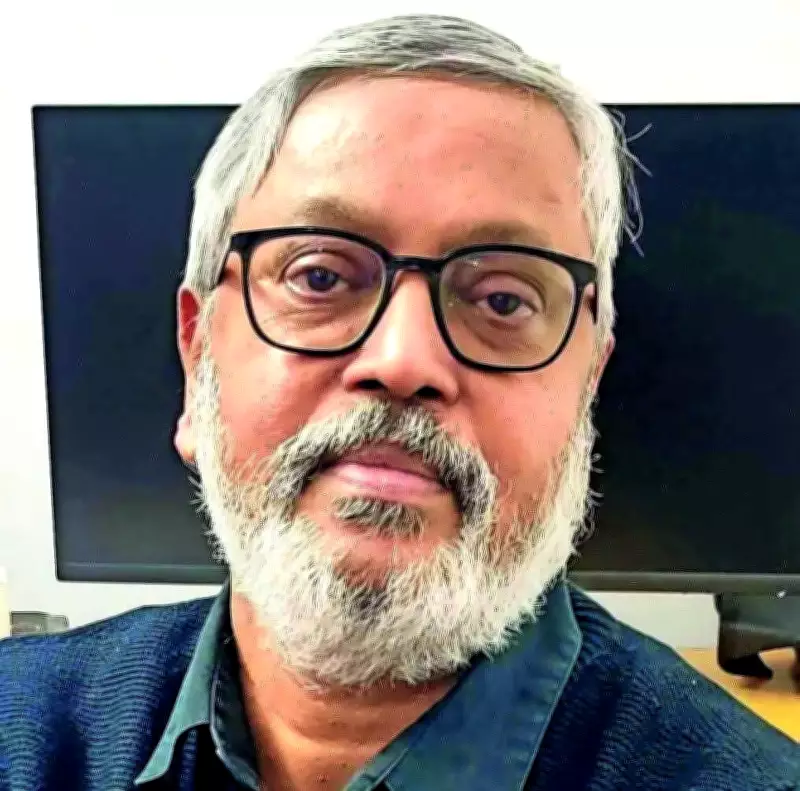
A district court in Noida on Monday denied bail to journalist and translator Satyam Verma, who was arrested in connection with the unrest that occurred on April 13. The court ruled that the case against him goes beyond a routine breach of law and order.
Court's Rationale for Denying Bail
The first additional sessions court of Sunil Kumar-1, while rejecting the bail plea, stated that the material presented before it prima facie indicates Verma's involvement. The court emphasized that the gravity of the allegations, their social impact, and the potential risk of influencing witnesses weighed against granting him release.
Details of the Case
Verma, a senior journalist known for translating the works of Bhagat Singh, is an accused in an FIR that invokes multiple provisions of the Bharatiya Nyaya Sanhita (BNS), along with provisions of the Criminal Law Amendment Act and the Prevention of Damage to Public Property Act. The charges against him include rioting, arson, criminal conspiracy, assault on public servants, unlawful assembly, and destruction of property during the unrest.

Prosecution's Allegations
The prosecution informed the court that hundreds of workers, demanding an increase in minimum wages, gathered at industrial units. They allegedly forced open gates, damaged CCTV cameras, glass panels, and other infrastructure. The workers also assaulted employees and police personnel, blocked roads, hurled stones, and set vehicles on fire, according to the government lawyer.
Opposing bail, the prosecution argued that the unrest was pre-planned and coordinated through WhatsApp and Telegram groups, where inflammatory messages were circulated to provoke workers. The prosecution also alleged foreign funding, including hawala transactions, and claimed that Verma was linked to a media platform that live-streamed the violence, thereby worsening the situation.
Defense's Arguments
The defense argued that Verma's arrest violated constitutional safeguards under Articles 21 and 22 of the Constitution and provisions of the Bharatiya Nagarik Suraksha Sanhita (BNSS). They contended that he was not properly informed of the grounds of arrest and that procedures related to arrest, seizure, and medical examination were not followed.
The defense also claimed that Verma was nearly 600 kilometers away when the violence broke out and that the case largely relied on electronic material already in police custody. They argued that his continued detention was unwarranted given his age, diabetes, and clean criminal record.
Court's Verdict
The court was not convinced by the defense's arguments. It stated, "The evidence on record prima facie indicates involvement of the accused." The court added that the seriousness of the offence and its possible societal impact weighed against the bail plea. It also observed that the possibility of influencing witnesses could not be ruled out at this stage.
This decision underscores the court's stance on the severity of the allegations and the need to ensure a fair investigation without external interference.






