

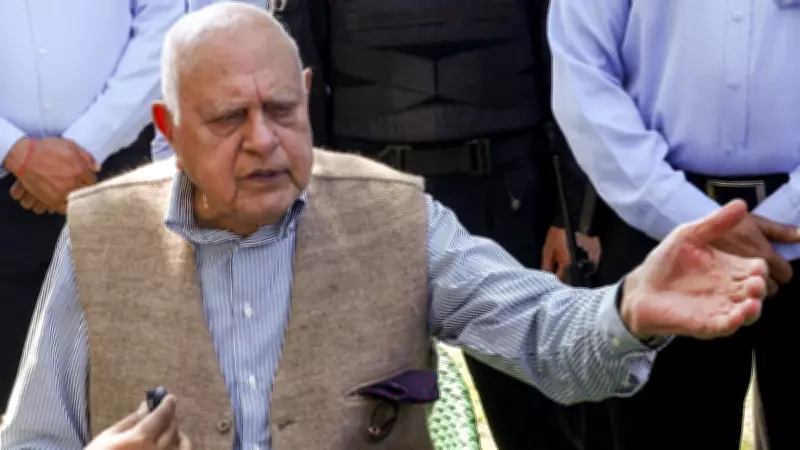
Srinagar Court Issues Non-Bailable Warrant Against Former J&K CM Farooq Abdullah in JKCA Scam Case
A court in Srinagar has taken a significant legal step by issuing a non-bailable warrant against former Jammu and Kashmir Chief Minister and National Conference president, Farooq Abdullah. This action is directly linked to the ongoing investigation into the alleged financial irregularities within the Jammu and Kashmir Cricket Association (JKCA).
Background of the JKCA Financial Scam Case
The case revolves around accusations of misappropriation of funds within the JKCA, amounting to several crores of rupees. Farooq Abdullah, who served as the president of the cricket association for an extended period, has been under scrutiny for his alleged role in the financial mismanagement. The Central Bureau of Investigation (CBI) has been probing the matter, which has drawn considerable attention due to the high-profile nature of the individuals involved.
The issuance of the non-bailable warrant comes after Abdullah failed to appear before the court on multiple occasions for scheduled hearings. This repeated absence has prompted the judicial magistrate to take this stringent measure to ensure his presence in the legal proceedings.

Legal Implications and Political Repercussions
The warrant signifies a serious escalation in the case, as non-bailable warrants are typically issued in situations where the accused is evading court appearances or is considered a flight risk. Legal experts suggest that this move could compel Abdullah to present himself before the court at the earliest opportunity to avoid further legal complications.
From a political perspective, this development is likely to have significant ramifications. Farooq Abdullah is a veteran political figure in Jammu and Kashmir, and his involvement in such a high-stakes legal battle could impact the political landscape of the region. The National Conference, the party he leads, may face challenges in navigating this situation while maintaining its public image and electoral prospects.
Next Steps in the Judicial Process
With the warrant now in effect, law enforcement agencies are expected to execute it promptly, requiring Abdullah to appear in court. The case will proceed with further hearings to examine the evidence and testimonies related to the JKCA scam. The court has emphasized the importance of adherence to legal protocols and timely appearances to ensure a fair and expedited trial.
This case highlights the broader issues of accountability and transparency in sports administration, particularly in cricket associations across India. It also underscores the judiciary's commitment to addressing financial crimes, regardless of the stature of the individuals involved.
As the situation unfolds, stakeholders from legal, political, and sports communities will be closely monitoring the developments. The outcome of this case could set a precedent for how similar allegations are handled in the future, reinforcing the need for stringent oversight in sports governance.






