Assam Rifles Achieves Counter-Insurgency Breakthrough with NSCN Cadre Surrender
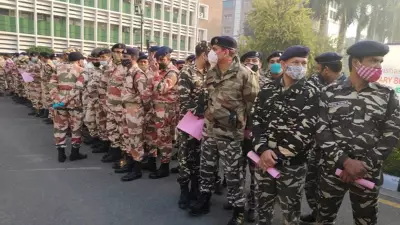
The Khonsa Battalion of Assam Rifles has marked a significant achievement in counter-insurgency operations by successfully facilitating the surrender of an active NSCN (Reformation) cadre in Arunachal Pradesh's Tirap district. This strategic development occurred on Wednesday, demonstrating the effectiveness of coordinated security efforts in the region.
Intelligence-Driven Operation Leads to Peaceful Resolution
Acting on credible intelligence provided by the 3 CIB regarding the presence of an active insurgent in the Khonsa area, the Khonsa Battalion launched a meticulously planned operation in collaboration with Arunachal Pradesh Police. The operation leveraged ground sources and employed persistent counselling techniques to persuade the insurgent to abandon armed struggle and embrace peace.
Details of the Surrendered Insurgent and Recovered Weapons
The surrendered individual has been identified as self-styled Sergeant Khunpong Wangsa, a 30-year-old resident of Lower Kolam village in Tirap district. In a voluntary act of surrender, Wangsa handed over significant weaponry to authorities, including:

- One .32 mm pistol
- One magazine
- Five live bullets
Following the surrender, Wangsa was transferred to Khonsa Police Station for further legal proceedings, marking a formal transition from armed insurgency to lawful process.
Strategic Implications for Regional Security
This successful operation represents more than just an individual surrender—it signifies a potential turning point in counter-insurgency efforts in the region. The Khonsa Battalion's approach, combining intelligence gathering with psychological persuasion, demonstrates a sophisticated methodology that could serve as a model for future security operations.
The peaceful resolution achieved through counselling rather than confrontation highlights the evolving strategies of security forces in dealing with insurgency situations. This development is particularly significant given the historical challenges of counter-insurgency operations in India's northeastern states.
As security forces continue their efforts to maintain peace and stability in the region, this successful surrender operation stands as a testament to the effectiveness of coordinated, intelligence-driven approaches that prioritize peaceful resolutions over violent confrontations.