Manhattan Hotel Squatter Pleads Guilty After 5-Year Rent-Free Stay and Fraudulent Ownership Claim
In major urban centers, housing disputes frequently unfold in bizarre and unexpected ways. A particularly striking case, centered on a Manhattan hotel room, has captivated public attention for several years. This involves a man who allegedly managed to reside rent-free in a prominent hotel for nearly five years, transforming a simple overnight booking into an intricate legal battle involving tenant protections, falsified documents, and audacious claims of property ownership.
One-Night Stay Evolves Into Years of Rent-Free Occupancy
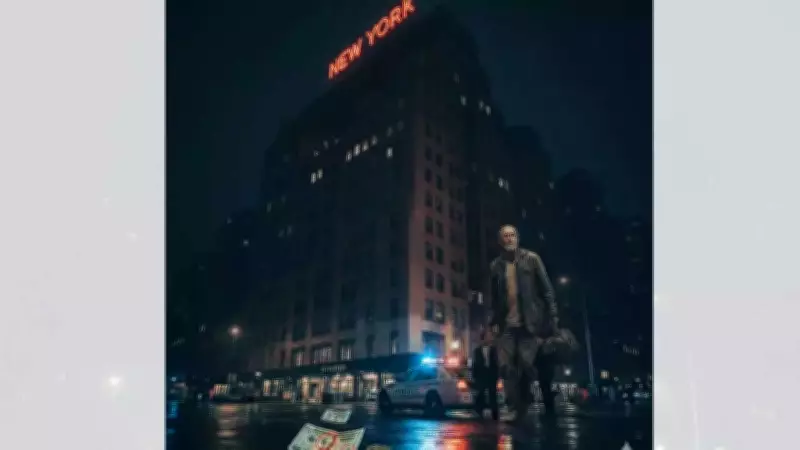
In June 2018, Mickey Barreto and his partner checked into a room at the historic New Yorker Hotel in Midtown Manhattan. They paid approximately $200 for a single night, anticipating a standard short-term stay. However, Barreto subsequently requested a lease from the hotel management. He leveraged an obscure New York City housing regulation that grants tenant protections to certain single-room occupants in buildings constructed before 1969.
Although this law is seldom applied to hotel environments, Barreto's legal argument reportedly prevailed in court. This judicial decision permitted him to remain in the hotel room for years without making any additional rental payments, thereby initiating an extraordinary and prolonged housing dispute that would eventually escalate into criminal proceedings.

Escalation to Fraudulent Ownership Claims
Prosecutors assert that Barreto later intensified his actions by attempting to claim outright ownership of the entire hotel property through fabricated paperwork. In 2019, a deed was filed that seemingly transferred the New Yorker Hotel into his name. Authorities subsequently determined this document to be fraudulent. Nevertheless, the filing was initially accepted into official city records, generating significant confusion and raising serious questions about administrative oversight and verification processes.
Barreto reportedly began behaving as if he were the legitimate owner of the establishment. He instructed the operator of a diner connected to the hotel lobby to redirect rent payments to him and contacted the hotel's financial lender, demanding that accounts be placed under his control. These requests were never honored. Investigators state that the alleged submission of false property documents ultimately became the core issue in the ensuing criminal case, moving the situation beyond a mere housing dispute.
Legal Resolution and Sentencing
The protracted dispute reached a definitive legal conclusion this week. Mickey Barreto pleaded guilty to a felony charge of filing a false instrument before Judge Cori Weston at the New York State Supreme Court in Manhattan. Court records indicate he received a sentence of six months in jail, coupled with five years of post-release probation.
His defense attorney, Brian Hutchinson, noted that Barreto had already served sufficient time in custody during the legal proceedings. Consequently, he will not face additional jail time following the plea agreement. Hutchinson characterized the outcome as a favorable resolution for his client, bringing closure to a case that many observers found both perplexing and strangely compelling.
Broader Implications for Housing Laws and Tenant Protections
This unusual situation has ignited debate regarding tenant protections and legal ambiguities within New York's complex housing system. Some commentators suggest the case underscores how obscure statutes can be interpreted in unforeseen and unconventional manners. Others contend that the alleged document forgery unequivocally shifted the matter from housing rights into the realm of criminal conduct.
New York's tenant protection laws were originally developed to address severe housing shortages and prevent unlawful displacement. Legal experts explain that these regulations can occasionally generate convoluted disputes when applied to atypical circumstances, such as hotel stays. The subsequent allegations involving forged property records appear to have firmly relocated this case into criminal territory, highlighting the fine line between legal exploitation and illicit activity.

This case serves as a stark reminder of the unpredictable nature of urban housing disputes and the potential for legal frameworks to be manipulated in extraordinary ways. It also raises important questions about the robustness of property record systems and the mechanisms in place to prevent fraudulent claims in high-value real estate markets.