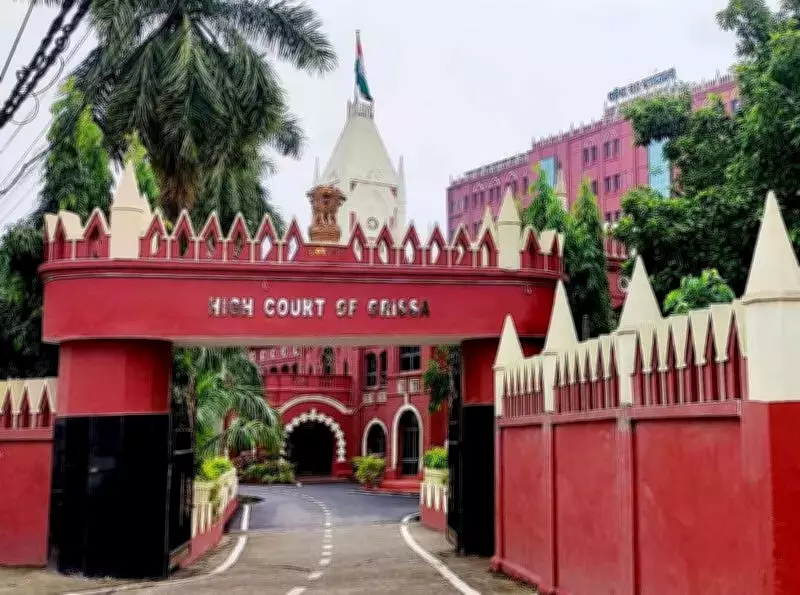
Orissa High Court Backs State on PUCC Denial for Vehicles with Pending Challans
In a significant ruling, the Orissa High Court has declined to interfere with the state government's decision to allow authorities to refuse Pollution Under Control Certificates (PUCCs) to vehicles that have unpaid traffic challans. The court held that such a refusal is legally valid under recently amended central rules, bringing clarity to a contentious issue aimed at curbing vehicular pollution and enforcing traffic compliance.
PIL Challenged State's Move on PUCC Issuance
A Public Interest Litigation (PIL) was filed by Bhubaneswar resident Snigdha Patra, seeking court intervention against the Automated Pollution Testing Centres' refusal to issue PUCCs to vehicles with outstanding challans. The PIL also questioned the state government's earlier proposal to implement a "no PUCC, no fuel" policy at petrol pumps, which was intended to reduce vehicular emissions but raised concerns about practicality and enforcement.
During the hearing, a division bench comprising Chief Justice Harish Tandon and Justice M S Raman considered the arguments presented. Advocate General Pitambar Acharya informed the court that the state had already withdrawn its directive to oil marketing companies to deny fuel to vehicles without valid PUCCs, with an affidavit confirming this withdrawal filed on January 27.

Legal Basis: Amended Central Motor Vehicle Rules
The state government justified its decision to deny PUCCs based on recent amendments to the Central Motor Vehicle Rules. Specifically, Advocate General Acharya pointed to Rule 167 of the Central Motor Vehicle (Third Amendment) Rules, 2026, which was notified on January 20 and published in the gazette on January 21. He argued that this rule had undergone a "sea change", explicitly empowering authorities to refuse PUCC issuance solely on the grounds of non-clearance of traffic challans.
This amendment marks a pivotal shift in regulatory approach, linking pollution control compliance directly with traffic law adherence. By tying PUCC issuance to the resolution of pending challans, the state aims to incentivize vehicle owners to settle their fines promptly, thereby promoting both environmental and legal accountability.
Court's Decision and Implications
After thorough consideration of the submissions, the court accepted the state's stand and upheld the legality of denying PUCCs to vehicles with unpaid challans. The bench disposed of the PIL, effectively closing the case and reinforcing the government's authority to implement such measures under the amended central framework.
This ruling has several key implications:
- Enhanced Enforcement: Authorities now have a clear legal mandate to withhold PUCCs from non-compliant vehicle owners, potentially increasing pressure to resolve traffic violations.
- Pollution Control: By linking PUCC issuance to challan clearance, the policy aims to reduce vehicular pollution by ensuring only compliant vehicles receive certification.
- Legal Precedent: The decision sets a precedent for other states considering similar measures, highlighting the validity of using central rule amendments to support local governance initiatives.
The withdrawal of the "no PUCC, no fuel" policy earlier this year had raised questions about the state's strategy, but this court ruling reaffirms its commitment to leveraging existing legal tools for environmental and regulatory goals. As vehicle owners in Orissa navigate these changes, the emphasis remains on timely challan payment to maintain PUCC eligibility and avoid disruptions in vehicle usage.