

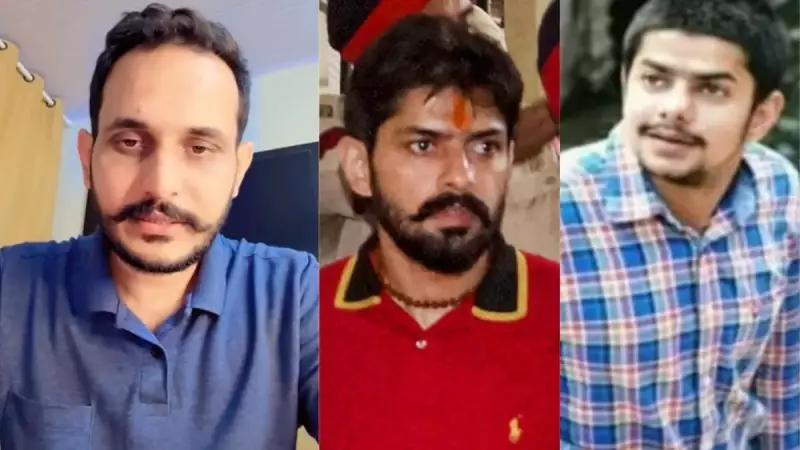
A new video has surfaced online, sending shockwaves through law enforcement agencies and the criminal underworld. In the clip, a man identified as Pakistani gangster Shehzad Bhatti is seen issuing a direct and chilling death threat to incarcerated Indian gangster Lawrence Bishnoi and his brother, Anmol Bishnoi.
The Content of the Threatening Video
The video, which began circulating on social media platforms on Sunday, December 1, 2024, features Bhatti speaking in a mix of Punjabi and Hindi. He is seen seated, directly addressing Lawrence Bishnoi, who is currently lodged in Delhi's high-security Tihar Jail. Bhatti's message is unambiguous and violent.
He explicitly warns Lawrence Bishnoi to stop making statements from inside the prison, threatening severe consequences. "I will kill you and your brother Anmol Bishnoi," Bhatti declares in the video, leaving no room for misinterpretation. The threat underscores the transnational nature of certain criminal networks and the personal vendettas that fuel them.

Background of the Feud and Key Figures
This video is the latest escalation in a long-standing and bitter rivalry. Lawrence Bishnoi is a notorious figure in India, facing numerous cases including murder, extortion, and terrorism. He has been linked to several high-profile crimes, and his gang is known to operate across multiple Indian states. His brother, Anmol Bishnoi, is believed to be managing the gang's operations from abroad, possibly in Canada.
On the other side, Shehzad Bhatti is a known gangster based in Pakistan. He is reported to have connections with criminal syndicates operating in the Punjab region on both sides of the border. The roots of this specific feud are murky but are believed to involve territorial disputes, control over illicit cross-border activities, and personal insults exchanged via social media or through intermediaries.
The video threat brings this underground conflict into the public domain, posing a significant challenge for security agencies in both India and Pakistan. It highlights how gangsters use digital platforms to intimidate rivals and assert dominance, even from across international borders.
Security Implications and Police Response
The emergence of this video has triggered immediate concern within Indian security circles. Authorities are taking the threat seriously due to the proven capabilities of both gangs involved. The primary concerns for law enforcement include:
- The safety of Lawrence Bishnoi in Tihar Jail: Prisons have often been sites of gang-related violence, and this direct threat necessitates heightened security protocols around the inmate.
- The security of Anmol Bishnoi: As the alleged overseas operational head, he becomes a potential target, requiring international coordination for his protection if he is located.
- Potential for retaliatory violence: Such public threats can spark a cycle of revenge attacks, endangering public safety and law and order.
- Cross-border criminal coordination: The video exposes the links between gangsters in India and Pakistan, complicating investigative efforts.
Indian police agencies are likely analyzing the video's metadata and dissemination pattern to verify its authenticity and origin. They are also expected to review and fortify security measures for high-profile prisoners like Lawrence Bishnoi. Furthermore, intelligence sharing regarding the movements and plans of Shehzad Bhatti's associates may be intensified.
This incident is a stark reminder of the evolving nature of organized crime in the digital age, where threats are broadcast globally in seconds. It forces authorities to combat not just physical criminal acts but also the psychological warfare and recruitment tools used by these networks online. The coming days will be crucial in assessing whether this video remains a verbal provocation or translates into actionable intelligence requiring pre-emptive intervention.






