Chilling CCTV Footage Captures Point-Blank Shootout in West Bengal's Howrah
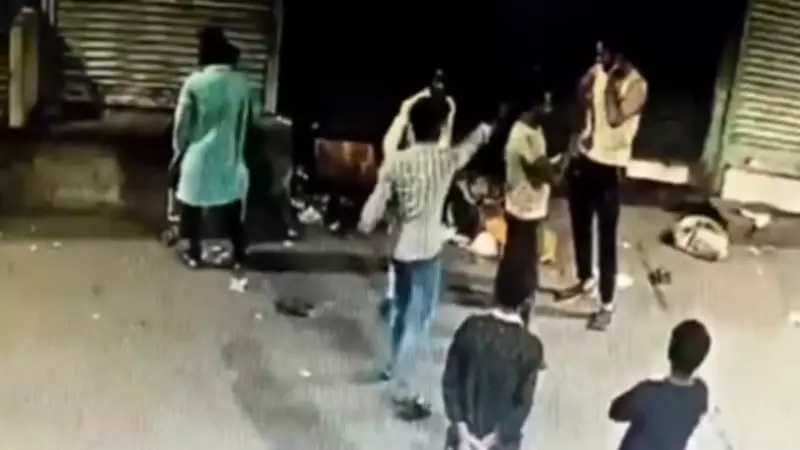
Disturbing visuals have emerged from the Golabari-Pilkhana area of Howrah in West Bengal, where a brazen shootout took place at point-blank range in front of a tea stall during the early morning hours today. The entire incident was captured on CCTV cameras, providing chilling evidence of the deteriorating law and order situation in the state.
Details of the Gruesome Incident
The CCTV footage shows two men, identified as Harun Khan and Rafakat, calmly walking up to local promoter Safiq Khan before executing the attack. The assailants approached their target with deliberate precision, engaged in a brief interaction, and then fired at point-blank range, leaving no chance for escape or defense.
The location of this violent crime adds significant political weight to the incident, as it occurred in Howrah district where Nabanna, the state secretariat under Chief Minister Mamata Banerjee's administration, is situated. This proximity to the seat of state power has amplified concerns about public safety and governance effectiveness.
Political Reactions and Broader Implications
The incident has triggered immediate political reactions, with the BJP West Bengal unit sharing visuals of the crime scene on social media platform X (formerly Twitter). BJP national spokesperson Amit Malviya also circulated the disturbing CCTV footage, highlighting what he described as the deteriorating security situation in West Bengal.
This violent episode raises serious questions about:
- The effectiveness of law enforcement mechanisms in West Bengal
- Public safety in urban areas of the state
- The political implications of violent crimes occurring near government institutions
- The broader pattern of law and order challenges in the region
Context and Ongoing Concerns
The point-blank execution of Safiq Khan represents more than just an isolated criminal act. It serves as a stark indicator of the security environment in parts of West Bengal, where such brazen attacks can occur in public spaces during daylight hours. The fact that the entire incident was captured on surveillance cameras yet still occurred suggests either inadequate preventive measures or challenges in intelligence gathering.
This incident comes at a time when political discourse around law and order in West Bengal has been particularly heated, with opposition parties frequently raising concerns about governance and public safety. The visual evidence provided by the CCTV footage makes this case particularly compelling and difficult to dismiss as mere political rhetoric.
As investigations proceed, authorities face mounting pressure to not only apprehend the perpetrators but also address the systemic issues that allow such brazen violence to occur in public spaces. The coming days will reveal whether this tragic event serves as a catalyst for improved security measures or becomes another statistic in ongoing debates about law enforcement effectiveness in the state.