

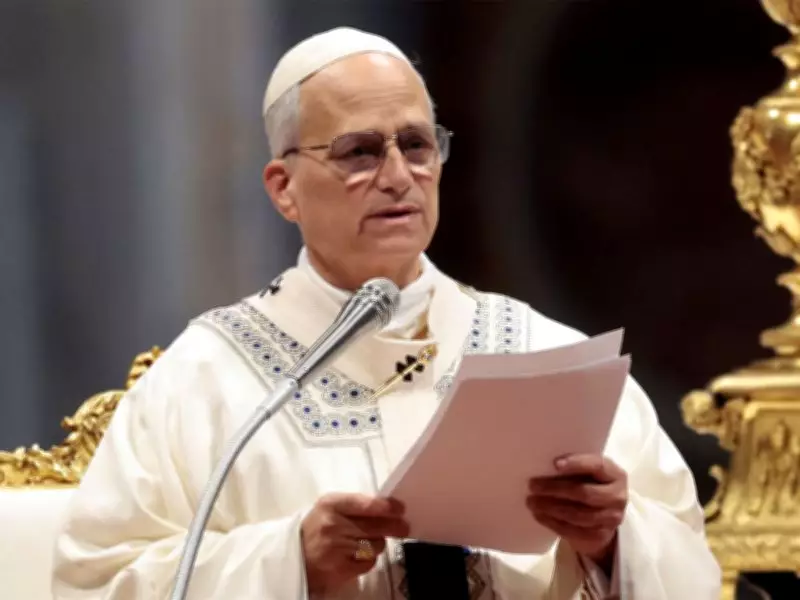
Pope Leo XIV Firmly Denies Allegations of Targeting Former US President Trump
In a significant statement from the Vatican, Pope Leo XIV has categorically rejected the narrative that he or the Holy See is targeting former United States President Donald Trump. The pontiff emphasized that such actions are "not in my interest at all", addressing widespread speculation and media reports that have fueled political tensions globally.
Context of the Controversy
The controversy arose amid ongoing discussions about the Vatican's stance on international politics, particularly concerning figures like Trump, who has been a polarizing leader. Critics and some media outlets had suggested that the Pope's recent comments or actions might be aimed at undermining Trump's influence or legacy. However, Pope Leo XIV's direct rebuttal aims to clarify the Vatican's position and dispel any misconceptions.
This development comes at a time when religious and political spheres are increasingly intertwined, with leaders like the Pope playing a crucial role in global diplomacy. The statement underscores the Vatican's commitment to neutrality and its focus on broader humanitarian and spiritual goals, rather than engaging in partisan politics.

Implications for International Relations
The Pope's denial could have ripple effects on international relations, especially between the Vatican and the United States. By distancing himself from any perceived targeting, Pope Leo XIV may be seeking to maintain diplomatic harmony and avoid unnecessary conflicts. This move aligns with the Vatican's historical role as a mediator and moral authority on the world stage.
Experts note that such statements are rare and significant, as they directly address political narratives that could impact the Church's credibility. The Pope's words are likely to be scrutinized by both supporters and critics, highlighting the delicate balance religious leaders must strike in today's complex geopolitical landscape.
Reactions and Future Outlook
Reactions to the Pope's statement have been mixed, with some praising his transparency and others questioning the timing and motives behind it. As the situation evolves, it remains to be seen how this will affect the Vatican's interactions with political leaders worldwide.
In summary, Pope Leo XIV's rejection of the targeting narrative serves as a reminder of the Vatican's strategic priorities and its desire to stay above political fray. This episode underscores the ongoing challenges faced by religious institutions in navigating modern political dynamics while upholding their core values.






